Sleeping with tape-in extensions requires a stabilization protocol to prevent mechanical friction and root-matting. Key requirements include ensuring hair is 100% dry at the attachment site, securing the hair in a low-tension braid to restrict movement, and using a 22-momme silk surface to reduce the coefficient of friction. These steps prevent “nesting” at the nape and protect the natural hair follicle from traction-induced stress.
Why Sleeping with Tape Ins Can Be Tricky ?
Tape-in extensions are a game-changer for volume and length—until bedtime hits.
Many wearers experience:
– Slippage (tapes loosening from friction)
– Tangling (hair knotting overnight)
– Discomfort (tapes pulling on natural hair)

The good news?
With the right routine, you can sleep soundly without damaging your extensions or natural hair.
Best Sleeping Positions for Tape-In Extensions
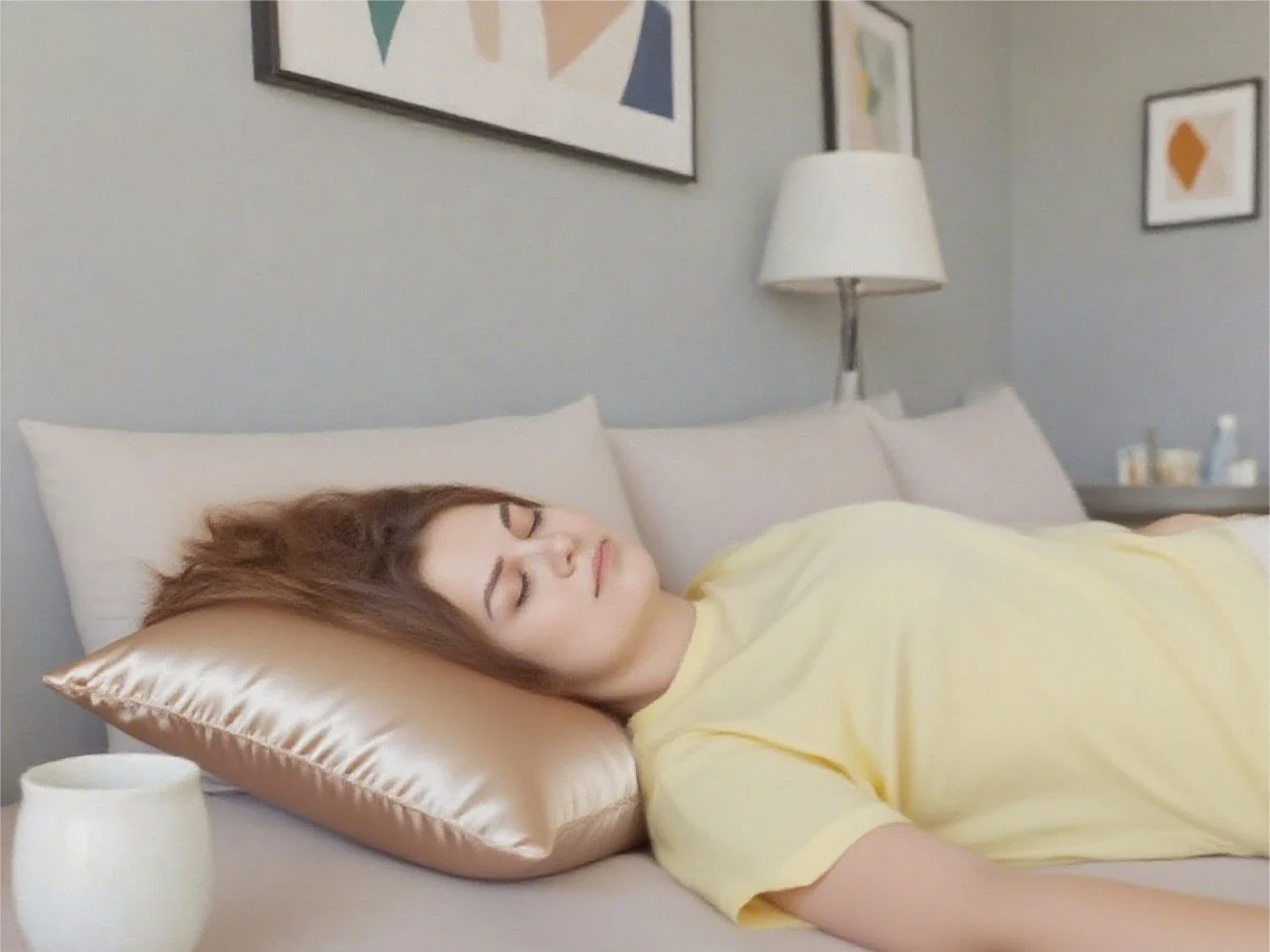
Minimizes friction against pillows.
Pro Tip: Use a silk pillowcase to reduce tugging.

Braid hair loosely in a low ponytail or pigtails.
Avoid pressing the tapes directly against the pillow.

Face squashed into pillow, extensions flattened
Increases friction, leading to premature loosening.
5 Nighttime Routine Tips for Tape-In Extensions
1. Brush Gently Before Bed
- Use a wide-tooth comb or loop brush to detangle.
- Start from the ends and work upward to avoid stressing the tapes.
2. Secure Hair in a Loose Braid or Ponytail
- Low braid or loose bun prevents tangling.
- Avoid tight elastics—they can pull on tapes.
3. Use a Silk or Satin Pillowcase
- Cotton = friction (causes frizz & loosening).
- Silk/satin = smooth glide (protects tapes).
4. Apply a Light Leave-In Conditioner (Optional)
- Helps prevent dryness, but avoid the tape area.
- Try water-based sprays (no oils!).
5. Avoid Heavy Products Before Bed
- Oils, serums, and thick creams weaken adhesive.
3 Common Mistakes That Ruin Tape-Ins Overnight Sleep with Tape In Extensions
Moisture weakens the adhesive → tapes slip faster.
Creates friction and static→ tangles & premature shedding.
Pulls on tapes → tension damage to natural hair.
- The 22-Momme Standard: Unlike cotton, which has high “wicking” properties and friction, a 22-momme mulberry silk pillowcase reduces friction by 60-70%. This prevents the hair cuticles from “interlocking” (the primary cause of tangling) during tossing and turning.
- Zero-Moisture Mandate: Never sleep with damp roots. Moisture trapped within a tape “sandwich” for 6–8 hours can lead to hydro-thermal matting and even fungal growth. Hair must be 100% dry to maintain the chemical stability of the adhesive.
- Tension Distribution: Securing hair in a loose braid or ponytail at the nape limits the degrees of freedom of the extension strands. This ensures that the weight of the extensions is distributed evenly across the scalp, preventing tractional pull on any single section.
FAQ: Tape-In Extensions & Sleeping
Sleep with Tape In Extensions Sleep with Tape In Extensions Sleep with Tape In Extensions
Related Products
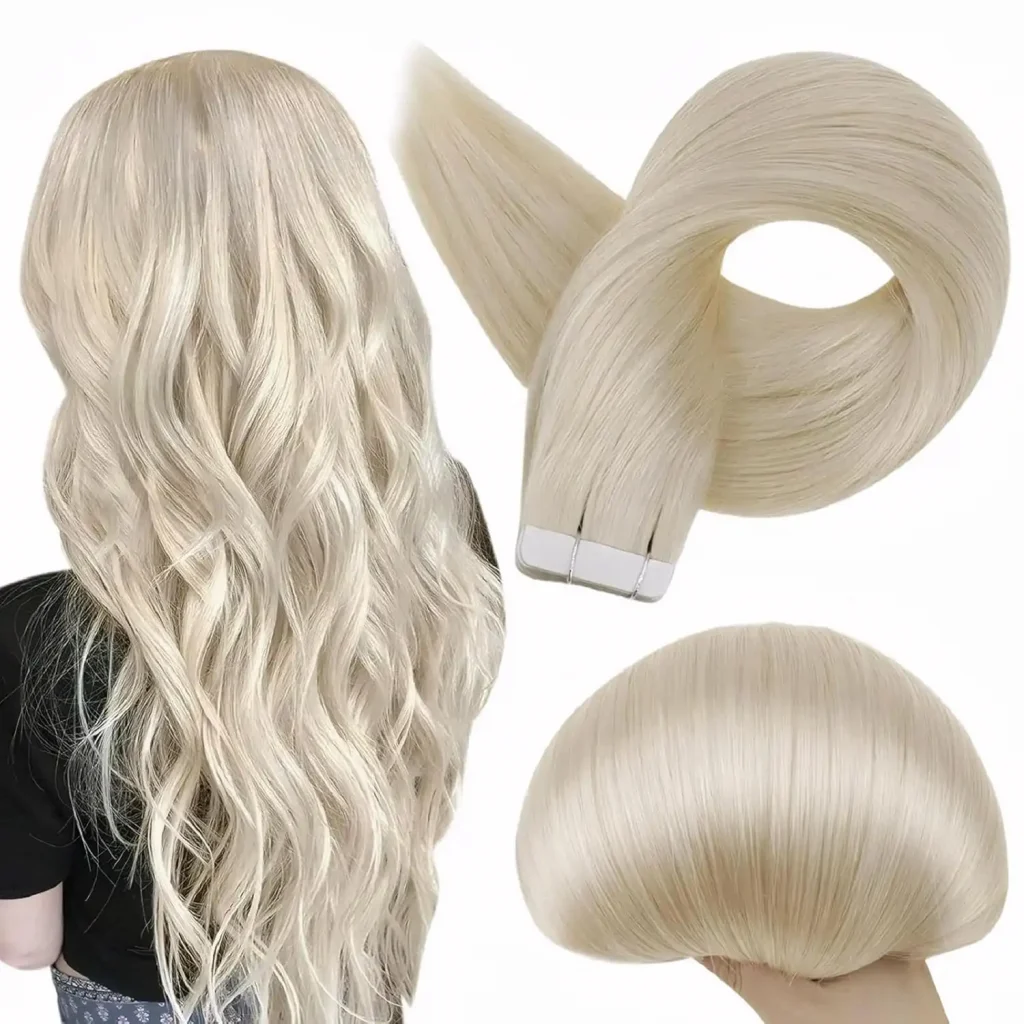
Tape in Hair Extensions
Injection Virgin Tape Ins
Replacement Tapes
Struggling to sleep with Tape-In Extensions?
Related articles

Technical Standards & Industry References:
- Milady Standard Cosmetology: Standardized protocols for nighttime hair management and traction prevention.
- Professional Beauty Association (PBA): Best practices for the long-term maintenance of adhesive-based hair systems.
- Journal of Textile Science: Research on the coefficient of friction in silk vs. cotton and its impact on the human hair cuticle.
- Modern Salon Media: “Nighttime Maintenance: The Science of Preventing Overnight Extension Matting.”


