Rescuing compromised tape-in hair extensions requires a multi-stage detoxification and re-acidification process. To resolve severe matting or “slippage,” the bond must be neutralized using a based solvent, followed by a deep-cleansing surfactant wash (pH 7.0+) to remove lipid buildup. To restore fiber elasticity, a low-pH (3.5–4.5) acidic rinse is essential to seal the cuticle and prevent future hydro-thermal tangling.
Step 1: Rescue Tape Hair Tools
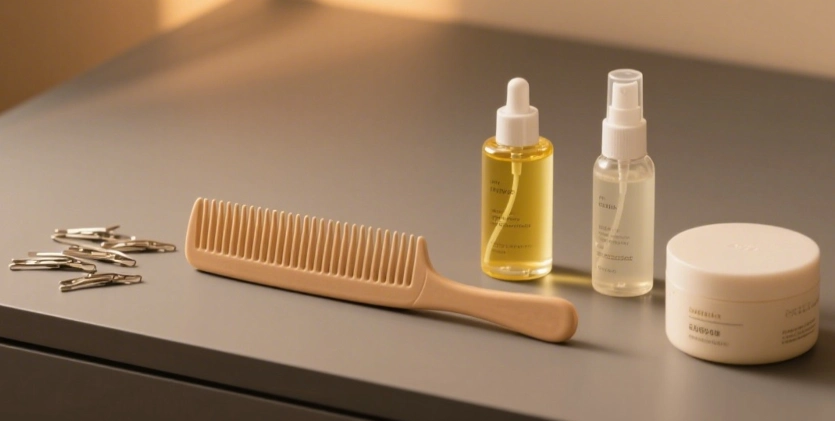
Step 2: Gentle Detangling for Tape-In Hair
Never force knots! Follow this method to minimize breakage and rescue tape hair:
⚠️ Pro Tip: If knots are severe, apply a small amount of hair oil to the tangled area (avoid the tape adhesive). Let it sit for 5 minutes before combing.
Section your hair
Clip layers start from bottom. Work on small sections to avoid overwhelming tangles.
Spray generously
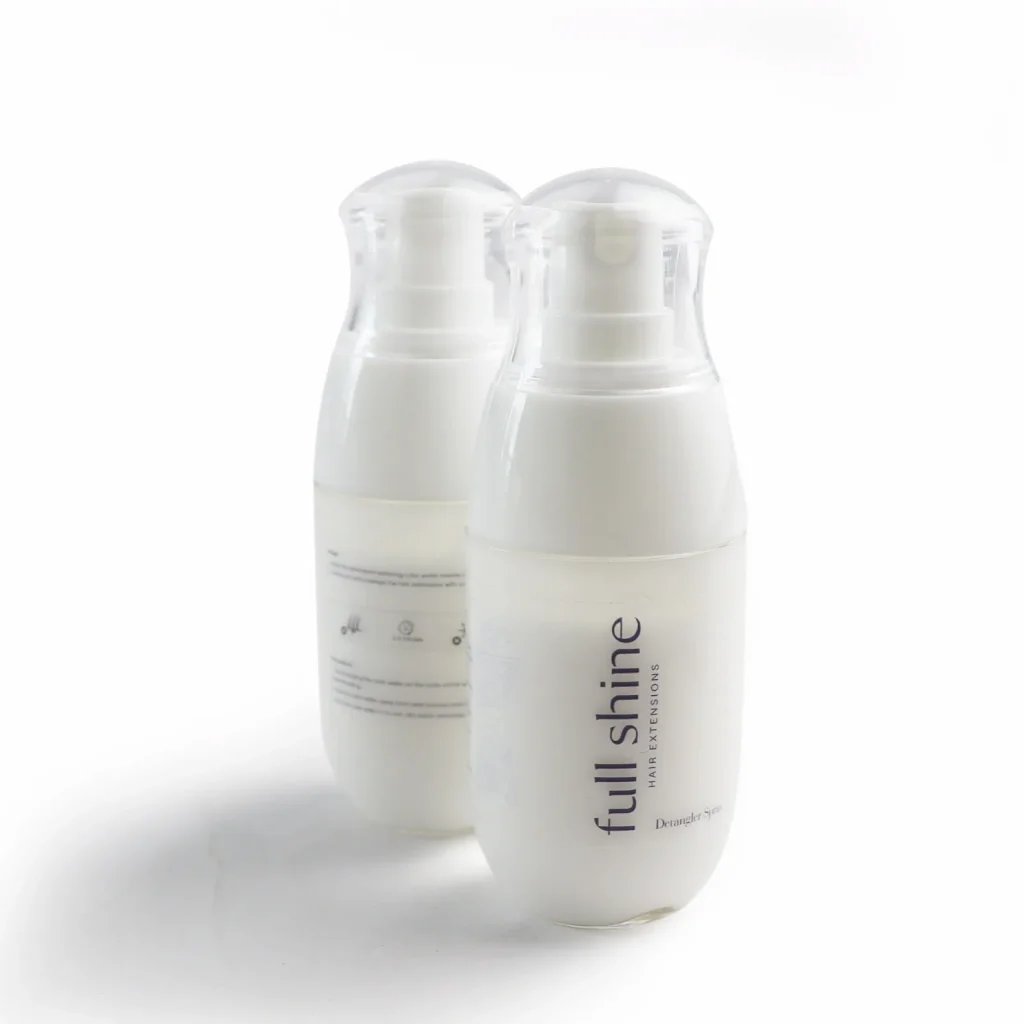
Apply a detangling spray or diluted conditioner-water mix to focus on the matted areas.
Finger-detangle
Gently separate large knots with your fingers first. Start at the ends and work upward.
Comb slowly
Use a wide-tooth comb. Hold the hair above the knot to reduce tension on the tapes.
Step 3: Repair for Dry And Brittle Hair
Rescue tape hair extensions cannot be removed and therefore cannot undergo deep conditioning; choose products that penetrate without weakening the adhesive:
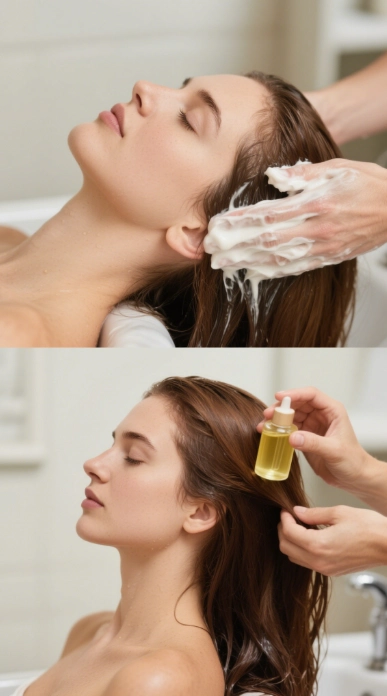
Hydrating mask application
- Use a protein-free, moisturizing mask to rescue tape hair(look for shea butter, ceramides, or argan oil).
- Apply from mid-lengths to ends, avoiding the tape bonds.
- Cover hair with a shower cap and leave for 15–20 minutes. Rinse with cool water.
Seal with oil
- After washing, apply 1–2 drops of lightweight oil (e.g., jojoba or squalane) to the ends. This locks in moisture without greasing up the tapes.
When rescue tape hair, Avoid: Sulfates, heavy oils (like coconut), or hot tools during recovery—they’ll worsen dryness.
For a complete care routine: 🔗 How to Wash Hair Extensions Correctly
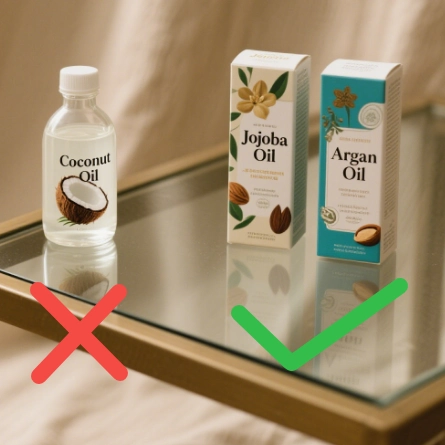
Pro Tip: Why Skip heavy oils (like coconut)?
- Weakens Adhesive: Its thick consistency seeps into tape bonds, reducing grip and causing slippage.
- Damages Extensions: Small molecules penetrate deeply, over-moisturizing hair. This makes extensions porous, leading to frizz and brittleness.
- Causes Tangles: Leaves hard-to-rinse residue near tapes, attracting dirt that worsens tangling.
Step 4: After Rescue Care Tips
Keep your tape-ins thriving with these simple daily habits:
- Detangle gently every morning with fingers first, then a wide-tooth comb (bottom-up!).
- Sleep smart: Secure hair in a loose braid or silk bonnet to prevent nighttime friction.
- Wash wisely: Limit shampooing to 2-3 times/week, focusing on the scalp (avoid rubbing tapes!).
- Dry properly: Always apply heat protectant before styling, and keep blow-dryers on cool air setting near bonds!
Related Products
Contact Us

Technical Standards & Industry References:
- Milady Standard Cosmetology: Standardized protocols for hair restoration and chemical safety.
- Professional Beauty Association (PBA): Best practices for the maintenance and repair of salon-grade hair enhancements.
- Journal of Cosmetic Science: Research on the hydro-thermal stability of keratin in processed human hair.
- Modern Salon Media: “The Science of Restoration: How to Save Hair Extensions from Environmental Damage.”


