
Daily Hair Extension Color Maintain
Wash Wisely
Max 2x/week with color-safe shampoo:Adjust based on scalp type: oily scalps may cleanse roots every other day, while dry scalps benefit from dry shampoo between washes.
Temperature Mastery
Use lukewarm water (38°C/100°F):Washing extensions in hot water causes cuticle expansion. When the cuticle scales lift, large color molecules (especially reds and cool blondes) escape the hair shaft. Rinsing with 60°F (15.5°C) water “flash-closes” the cuticle, increasing color retention by up to 25%.
Product Selection Secrets
Choose color-protecting shampoos:Prioritize formulas with Polyquaternium-10 (creates electrostatic shield). Avoid dimethicone-heavy products that cause buildup on bonds.
Conditioner Application
Apply conditioner mid-lengths to ends:Try the ‘reverse conditioning’ method: Pre-treat ends with conditioner BEFORE shampooing. Particularly effective for extensions damaged by bleaching.
Black Hair Running Off
Why It Happens:
- Improper sealing during manufacturing
- Heat exposure opening cuticles
Color-Saving Hacks:
- Pre-wash ritual: Soak new black extensions in 1:3 vinegar-water solution
- Cold love: Always rinse with cool water to seal cuticles
- Barrier method: Use color-locking sprays before heat styling
The Chemistry Behind The Change:
- Mineral buildup from hard water
- Heat tools accelerating oxidation
- Sulfates stripping away cool tones
Brass-Be-Gone Toolkit:
- Weekly detox: Clarify with apple cider vinegar rinse
- Thermal armor: Never style above 300°F without protectant
- Tone it down: Use blue shampoo 1x/week for ashy tones
Brown Hair Fading
Blonde Hair Turning Brassy
Why Did Blondes Change:
- UV rays breaking down artificial pigments
- Chlorine creating greenish tones
- Product buildup causing yellowing
Platinum Protection Plan:
- Swim smart: Coat hair in conditioner before pools
- Sun shield: UV-protectant hair serums are mandatory
- Purple power: Maintain brightness with violet shampoo
Mistakes to Avoid
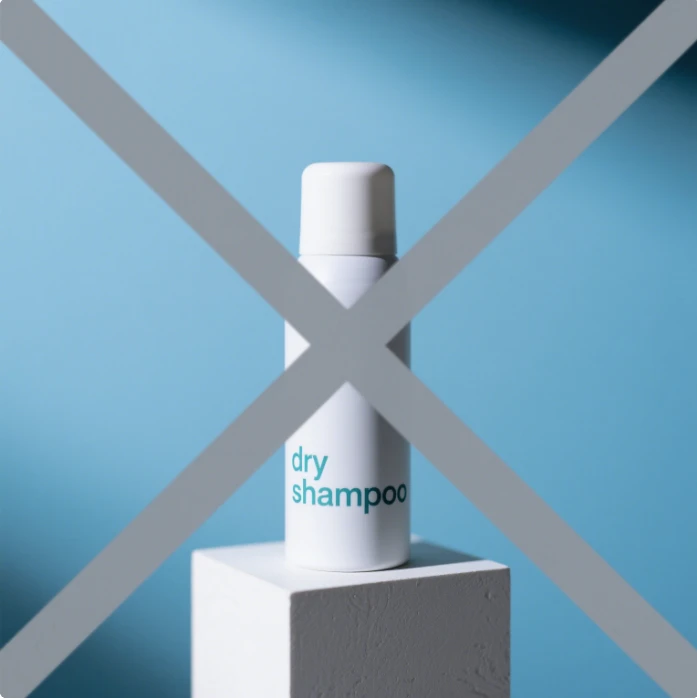
Overusing dry shampoo
Magnesium carbonate absorbs natural oils, causing extension fibers to crack.

Combing from roots
Start detangling 10cm below bonds using loop brushes to prevent traction damage.
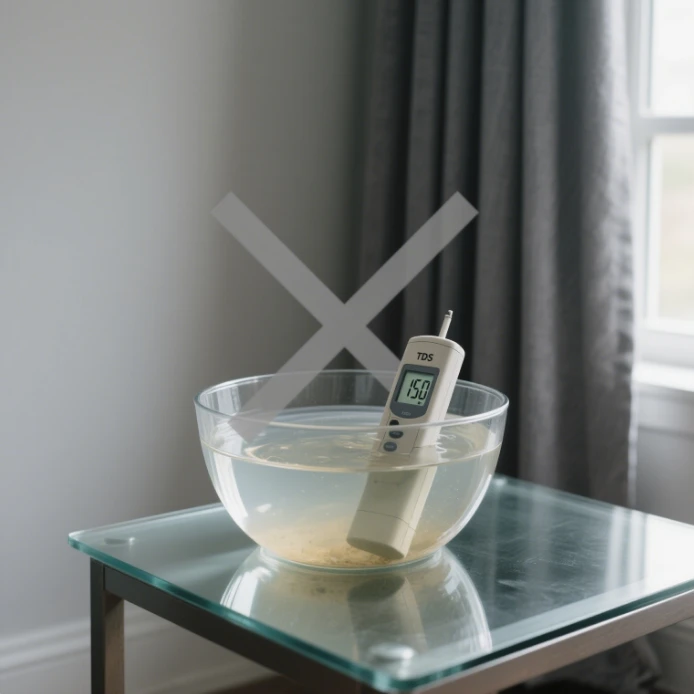
Ignoring water hardness
Calcium in hard water creates dull mineral film. Install shower filters if TDS exceeds 150.
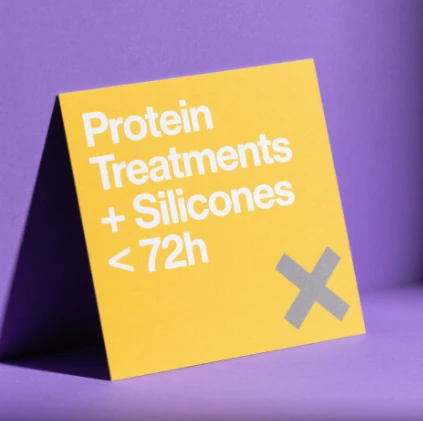
Mixing products
Silicones + proteins = clumps. Separate protein treatments 72h from dimethicone.
Preventing Tonal Shifts & Color Loss
| Threat Factor | Chemical/Physical Impact | Professional Solution |
| UV Radiation | Photo-oxidation of pigments. | UV-shielding spray; wide-brimmed hats. |
| High pH Water | Cuticle expansion & pigment loss. | Acidic Rinse (pH 4.0) post-wash. |
| Hard Water | Mineral buildup (Copper/Iron). | Chelating shampoo or shower filter. |
| Thermal Heat | Direct pigment evaporation. | Limit styling to 320°F (160°C). |
| Sulfates/Salts | Stripping of natural & added lipids. | Sodium Chloride-free formulations. |
Seasonal Care
| Season | Focus | Key Products |
|---|---|---|
| Spring | Humidity control | Panthenol anti-frizz serums |
| Summer | UV defense | Titanium dioxide hair screens |
| Fall | Static prevention | Ionized argan oils |
| Winter | Moisture repair | Shea butter sleeping masks |
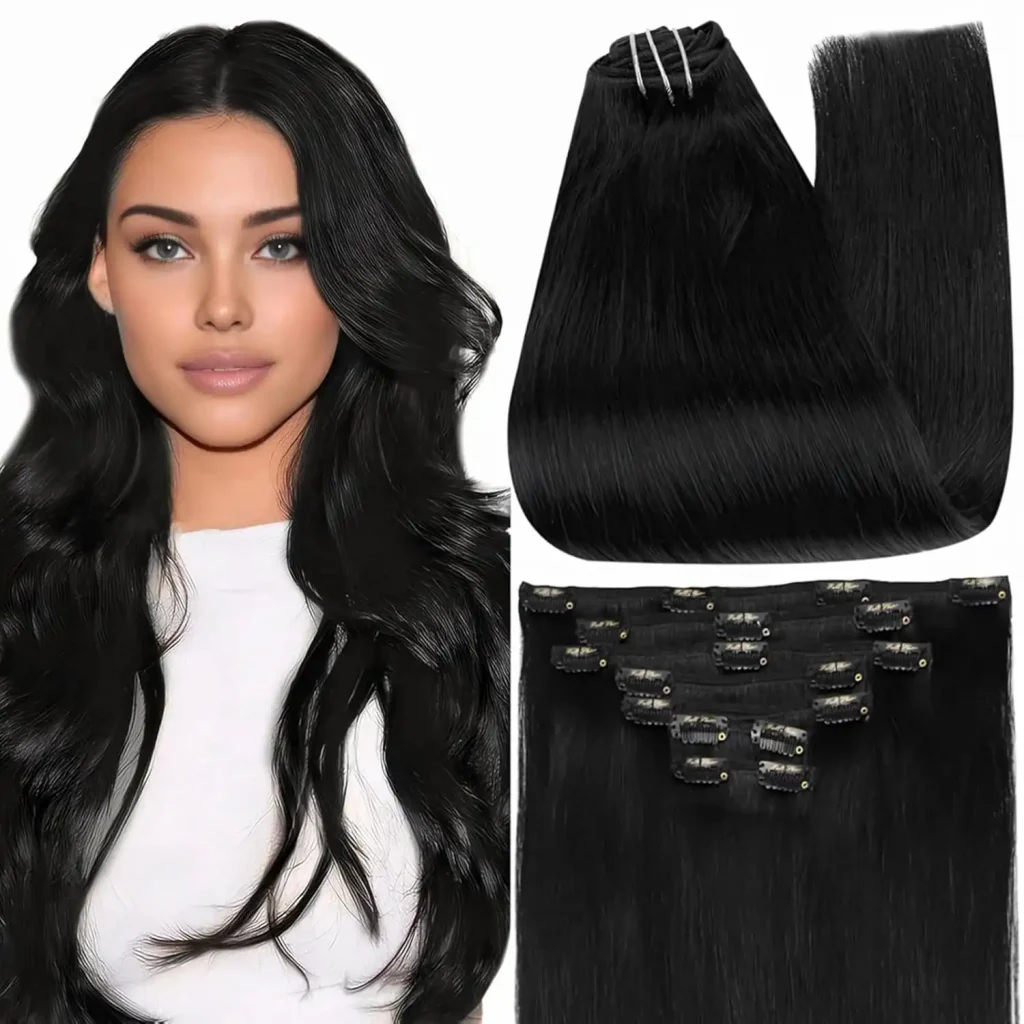
Recommended products
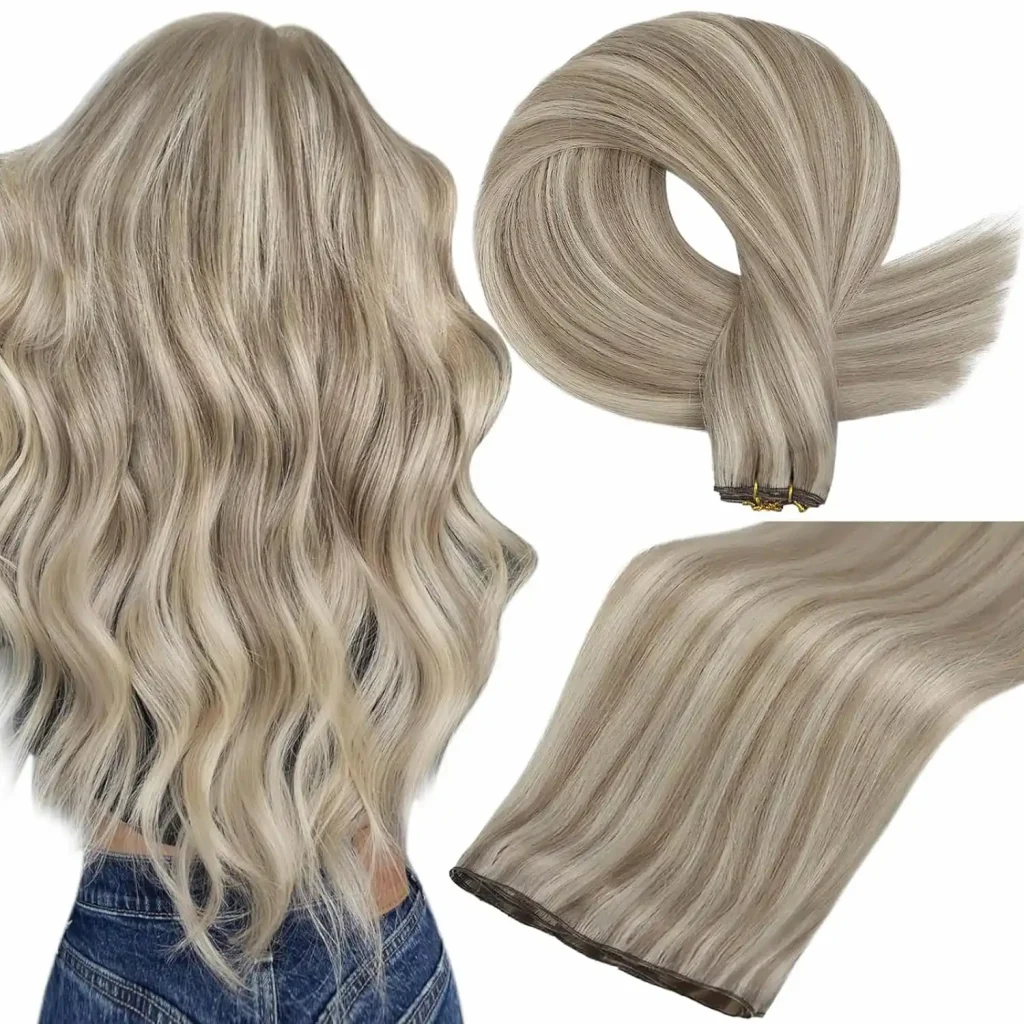
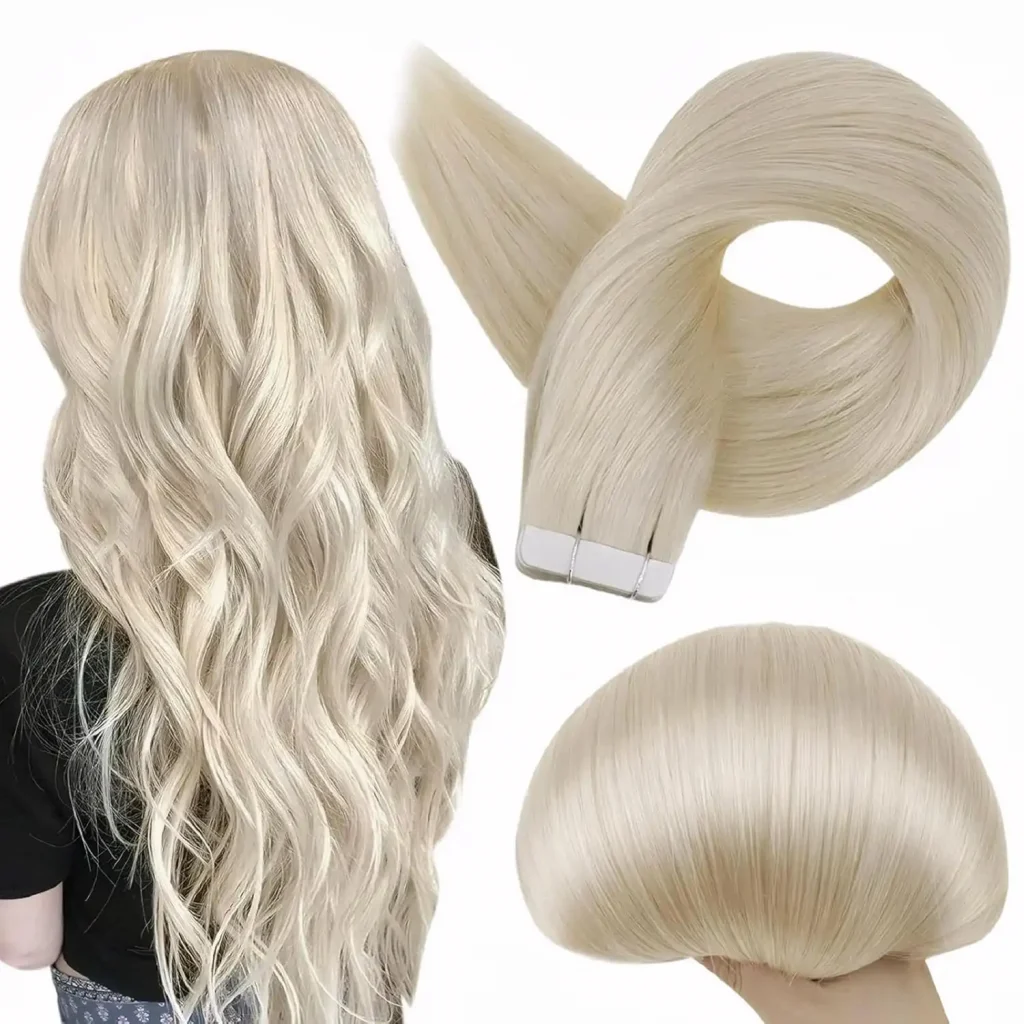
Contact Us

Technical Standards & Industry References:
- Professional Beauty Association (PBA): Best practices for the preservation of artificial pigments in hair enhancements.
- Milady Standard Cosmetology: Standardized protocols for pH balancing and cuticle management.
- Journal of Cosmetic Science: Research on photo-protection of human hair and the kinetics of hair dye leaching.
- Modern Salon Media: “The Science of Shine: Maintaining Chromatic Integrity in Remy Extensions.”


