If you have thin or fine hair, choosing the right weft extension is important for achieving a natural look while keeping your natural hair comfortable.
The best weft extensions for thin hair or fine hair is usually lightweight, low-profile, and easy to blend with your natural hair. Among different weft extension options, Genius Weft is a great choice because its thin weft construction can sit close to the hair and create a more seamless result.
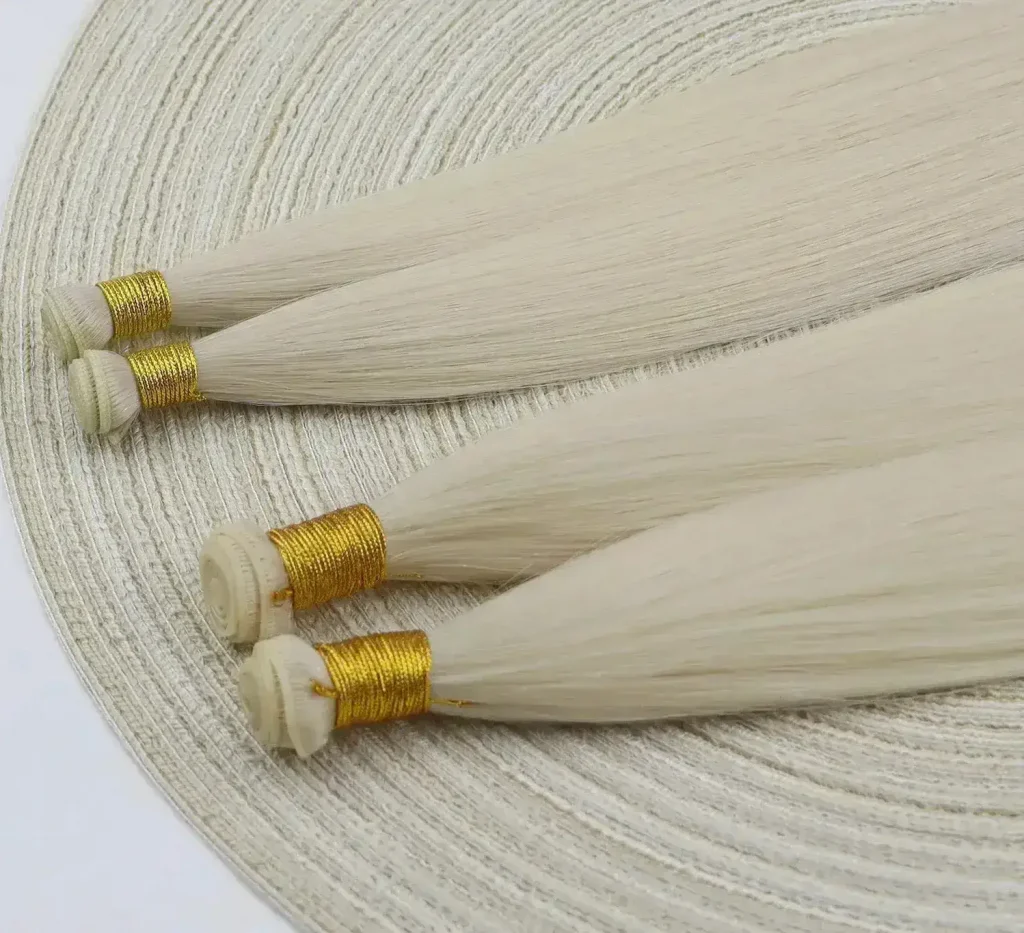
But before choosing a weft, it helps to understand whether you have thin hair, fine hair, or both.
Thin Hair vs. Fine Hair: What’s the Difference?
Although people often use “thin hair” and “fine hair” interchangeably, they describe different things.
Thin hair usually refers to hair density, meaning you have fewer strands of hair overall.
Fine hair refers to the diameter of each individual strand. Fine hair strands are smaller and more delicate than medium or coarse hair strands.
You can have:
- Thin and fine hair
- Thin hair with medium or coarse strands
- Dense hair with fine strands
- Dense hair with thicker strands
Understanding your hair type can help you choose a weft that provides the desired length and volume without adding unnecessary weight.
What Should You Look for in a Weft for Thin or Fine Hair?
When choosing weft extensions for thin or fine hair, consider these factors.
1. Lightweight Construction
Instead of choosing the largest amount of hair possible, consider how much length and volume you actually want to add. A lighter installation can make it easier for the extensions to blend naturally with your own hair.
2. A Thin, Low-Profile Weft
A thinner weft can sit closer to the head and make it easier to create a discreet installation.
3. The Right Amount of Hair
For thin or fine hair, adding too much hair at once can make the extensions look less natural compared with your own hair. The amount you need depends on your natural hair density, desired length, and desired volume.
As a general starting point, people with thin hair may prefer around 50–100g of extensions, while those with medium or thicker hair may need more.
4. Easy Blending
This is especially important for people with fine strands, as a very thick weft may be more difficult to conceal.
Which Type of Weft Is Best for Thin or Fine Hair?
Different weft extensions have different constructions, so the right choice depends on your hair density and the result you want.
Double Weft
Double wefts contain multiple layers of hair and have a fuller, thicker construction.
They can be a good option when you want to add significant volume, but they may feel too bulky for some people with very thin or fine hair.
Butterfly Weft
Butterfly Weft features a unique weft design that provides a combination of coverage and flexibility.
It can be considered by people looking for a different weft construction, although the ideal amount will depend on the individual’s natural hair density and desired result.
Genius Weft
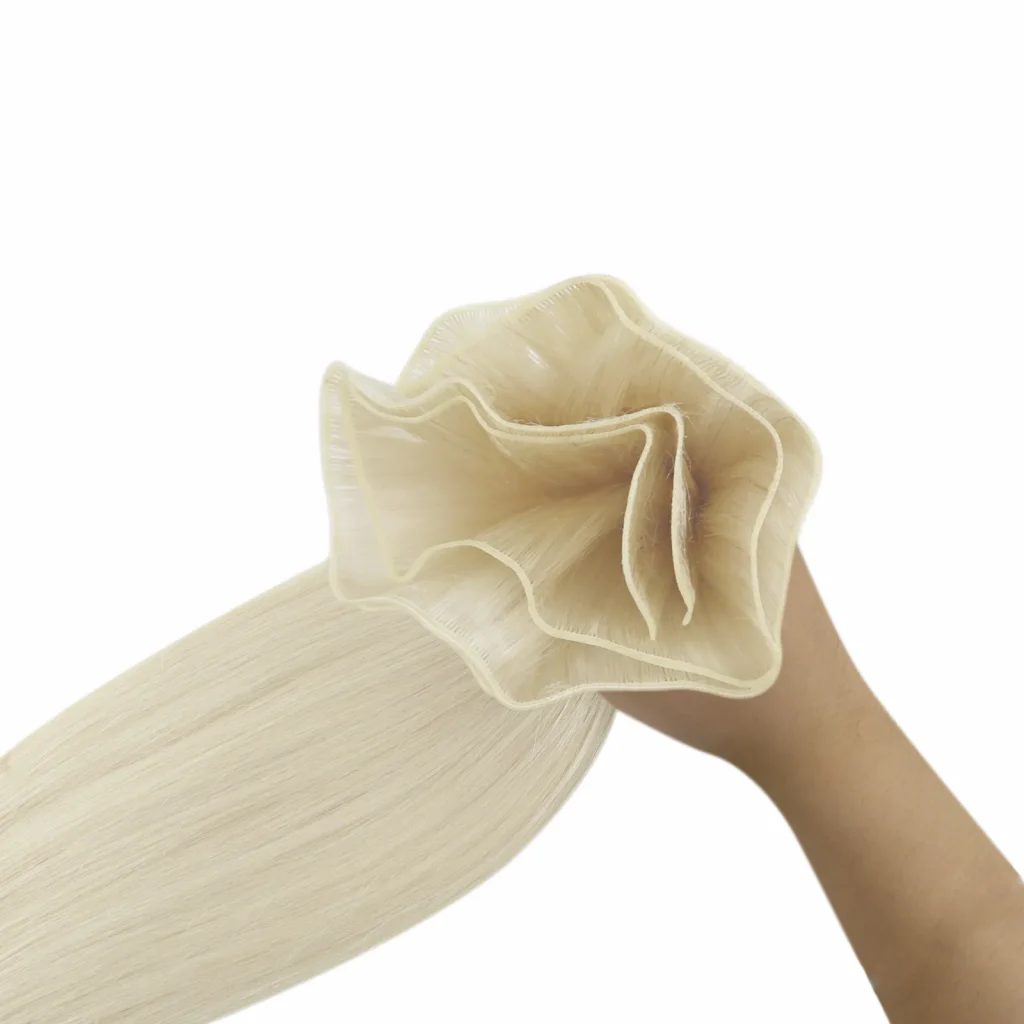
Genius Weft is a great option for thin or fine hair. Its thin construction sits close to the natural hair, making it easier to create a flat, natural-looking result. Choose the amount based on your natural hair density and the length and volume you want.
Why Choose Genius Weft for Thin or Fine Hair?
Genius Weft is designed with a thin profile, making it a practical option when you want to add length and volume without a bulky-looking weft.
Here are some reasons to consider Genius Weft for thin or fine hair:
Thin weft construction: Helps create a flatter installation.
Lightweight option: You can choose an amount that matches your natural hair density.
Easy to blend: The thinner profile can make the extensions easier to conceal.
Natural-looking result: The weft can sit close to the head for a more discreet appearance.
Flexible amount: You can adjust the number of packs according to your desired length and volume.
How Much Genius Weft Do You Need for Thin Hair?
There is no single amount that works for everyone.
Your ideal amount depends on:
- Your natural hair density
- Your current hair length
- Your desired extension length
- How much volume you want
- How much coverage you need
For thin hair, starting with a lighter amount can help you determine how much additional hair is needed to achieve a balanced look.
If you have very fine or low-density hair, a professional stylist can also help determine the appropriate amount and placement for your hair.
How Can You Make Weft Extensions Look Natural on Fine Hair?
The right weft is only one part of achieving a natural result.
For fine hair, proper placement and the amount of natural hair used during installation are also important.
Avoid placing too much weight in one area. Your stylist can distribute the extensions across multiple sections to create a more balanced result.
It is also important to choose a weft that is easy to conceal underneath your natural hair. A thinner weft can be especially helpful when you have less hair available to cover the extension.
Frequently Asked Questions
A lightweight, thin-profile weft is generally a good choice for fine hair. Genius Weft is one option to consider because its thin construction can sit close to the natural hair and create a more discreet installation.
Yes. Weft extensions can work well with thin hair when the appropriate amount and type of weft are selected. A lightweight, low-profile weft can help create a natural-looking result.
Yes. Genius Weft can be a suitable option for thin hair because of its thin weft construction. The amount needed will depend on your natural hair density and the desired length and volume.
A common starting range for thin hair is around 50–100g, but the ideal amount varies from person to person. Your natural hair density and desired result should be considered when selecting the amount.
Not necessarily. A thicker weft can provide more volume, but it may also be harder to conceal when you have less natural hair. For thin or fine hair, a thinner, low-profile weft may create a more balanced result.
Final Thoughts
The best weft extensions for thin hair or fine hair should provide the length and volume you want while remaining lightweight and easy to conceal.
When choosing extensions, consider your natural hair density, individual strand thickness, desired length, and desired volume rather than focusing only on the amount of hair.
If you are looking for a thin, low-profile weft that can blend naturally with thin or fine hair, Genius Weft is a great option to consider.
Contact Us
Still have questions about extensions for thin hair?
Drop them in the comments—I read every single one 💬
About the author:
Quiana
Hair expert at Full Shine Hair


