If your keratin hair extensions are falling out, the most common causes are improper installation, oil or product buildup around the bonds, excessive heat, rough brushing, moisture, or extensions that have grown too far from the scalp.
A few individual extensions may loosen during normal wear, but if several K-tip or keratin bonds are slipping out within a short period, it is worth identifying the cause before more extensions come loose.
This guide explains why keratin extensions fall out, what you can do about it, and how to prevent premature bond loss.
Quick Answer: Why Are My Keratin Hair Extensions Falling Out?
Keratin hair extensions usually fall out early because the bond is not gripping the natural hair securely.
The most common reasons include:
- Incorrect installation or section size
- Oil, conditioner, or product buildup near the bond
- Heat applied directly to the keratin bond
- Rough brushing or excessive pulling
- Going to bed with wet hair
- Heavy scalp oil or buildup
- Extensions that are overdue for maintenance
If multiple bonds start slipping shortly after installation, contact your stylist so they can inspect the bonds and determine whether the problem comes from the installation, aftercare, or the condition of your natural hair.
Keratin Extension Falling Out vs. Normal Shedding
Before trying to fix the problem, determine what is actually falling out.
| What You Notice | What It May Mean |
|---|---|
| A complete K-tip extension slides out | Bond slippage |
| Keratin bond cracks or breaks | Bond damage |
| Loose natural hairs appear around the bond | Normal natural shedding may be trapped around the attachment |
| Several extensions fall out soon after installation | Installation or aftercare should be checked |
| Short or broken natural hairs are attached | Possible hair breakage |
| Bonds have moved far down from the scalp | Natural growth or overdue maintenance |
This distinction matters because natural shedding and keratin bond slippage are not the same problem.
7 Reasons Keratin Hair Extensions Fall Out
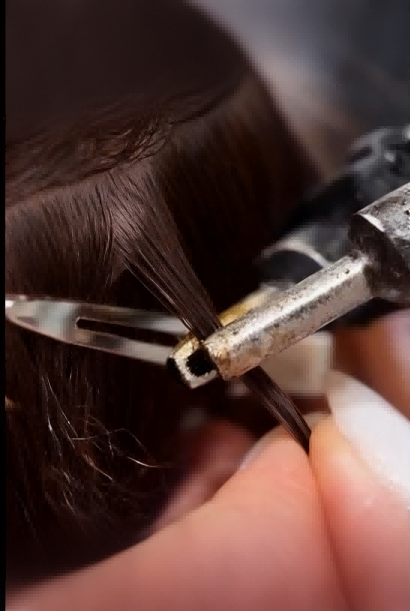
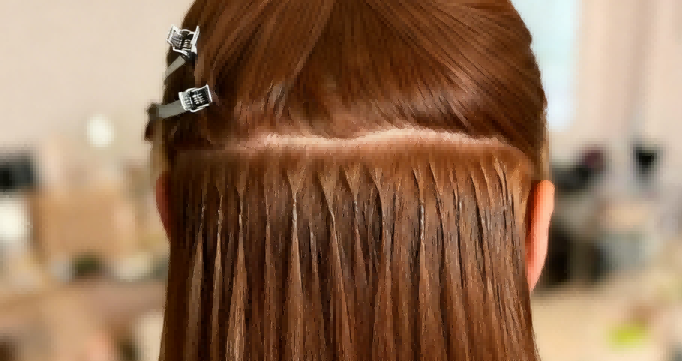
1. The Keratin Extensions Were Not Installed Correctly
Installation is one of the most important factors affecting how securely K-tip extensions stay attached.
A keratin extension needs the right amount of natural hair to support the weight of the extension.
If the section is too small, the extension may place too much tension on the natural hair.
If the section is too large, the keratin may not fully surround and secure the section.
The bond also needs to be properly melted and shaped during installation. Poorly sealed or uneven bonds can loosen earlier than expected. Installation quality, section size, placement and bond formation are commonly cited factors affecting K-tip retention. Originshair
What to do
If several extensions begin falling out soon after installation:
- Save the extensions that came out.
- Check whether the keratin bonds still look intact.
- Avoid trying to reheat or reattach them yourself.
- Contact your stylist and ask them to inspect the remaining bonds.
A professional stylist can determine whether the section size, placement or bond formation needs to be adjusted.
For installation instructions, see our How to Install Prebonded Hair Extensions guide.
How to Install Prebonded Hair Extensions?
2. Oil or Hair Products Are Getting on the Keratin Bonds
One of the most common causes of keratin bond slippage is product buildup around the attachment area.
Products such as:
- Hair oil
- Conditioner
- Hair masks
- Leave-in conditioner
- Heavy serums
- Styling creams
can leave residue near the roots and reduce the grip between the bond and natural hair. Current K-tip care guidance commonly recommends keeping rich or oily products away from the attachment area. Originshair
What to do
Apply conditioner, masks and oils mainly to the mid-lengths and ends of your hair.
Avoid applying them directly to your keratin bonds.
When using styling products, check whether residue is accumulating around your attachment points.
3. You Are Applying Too Much Heat to the Bonds
Keratin is activated with heat during installation, but that does not mean the bonds should regularly come into direct contact with hot styling tools.
Placing a:
- Flat iron
- Curling iron
- Hot brush
- Other heated tool
directly on the bond can soften or damage it.
Repeated heat exposure may eventually make a bond easier to crack, deform or slip. Originshair
What to do
When styling your hair:
- Keep hot tools away from the keratin attachment.
- Apply heat to the lengths of the extensions rather than directly to the bonds.
- Follow the temperature recommendations for your styling tool and hair type.
- Use heat protectant on the appropriate hair lengths without coating the attachment area with heavy product.
4. You Are Brushing or Pulling the Extensions Too Hard
Constant pulling creates tension around the attachment point.
This can happen when:
- Brushing aggressively
- Pulling through tangles
- Brushing from the roots downward through a knot
- Wearing very tight hairstyles
- Tugging on extensions while styling
How to brush K-tip extensions correctly
Hold your hair gently near the attachment area to reduce tension.
Then:
- Start brushing from the ends.
- Work upward toward the mid-lengths.
- Carefully brush around the attachment area.
- Avoid pulling directly against the keratin bonds.
An extension-friendly brush can also help reduce unnecessary tension.
5. You Are Sleeping With Wet Hair
Wet extension hair is more vulnerable to tangling and friction.
Sleeping with wet or damp extensions can allow hair around the bonds to twist together, especially around the nape and back of the head.
Over time, repeated pulling and tangling around the attachment area can place additional stress on the bonds.
What to do
Before going to sleep:
- Make sure your roots and attachment areas are dry.
- Gently detangle your extensions.
- Wear your hair in a loose braid or another low-tension style.
- Never go to bed with soaking-wet extensions.
Proper drying and regular separation of attachment areas can also help reduce root tangling and matting. Originshair
6. Scalp Oil and Product Buildup Are Causing Slippage
Some people naturally produce more scalp oil than others.
Oil itself is normal, but excessive oil and residue around the attachment area may make it harder for the bonds to maintain a secure grip.
This can be especially noticeable around:
- The hairline
- Temples
- Crown
- Areas where styling products are frequently applied
What to do
Keep your scalp clean using an extension-compatible routine recommended by your stylist.
When washing:
- Clean the scalp gently.
- Avoid aggressively rubbing or twisting the bonds.
- Rinse thoroughly.
- Dry the bond area completely.
Do not try to compensate by aggressively washing the attachment area, because unnecessary pulling can create another problem.
7. Your Keratin Extensions Have Grown Out
Keratin extensions move farther away from the scalp as your natural hair grows.
Eventually, the attachment no longer sits where it did when originally installed.
At this stage, you may notice:
- More movement at the roots
- Visible bonds
- Increased tangling
- Bonds catching on nearby hair
- Extensions becoming harder to manage
This does not necessarily mean the extensions are defective. It may simply mean it is time for professional maintenance or removal.
What to do
Ask your stylist to inspect your extensions rather than trying to pull or cut the bonds out yourself.
Professional removal is especially important if you notice matting around the attachment area.
How to Stop Keratin Hair Extensions From Falling Out
If you want your K-tip extensions to stay secure for as long as possible, focus on both installation and aftercare.
Follow these basic rules:
Keep oils away from the bonds
Use oils, conditioners and masks mainly on the mid-lengths and ends.
Keep hot tools off the bonds
Do not clamp a straightener or curling iron directly over the keratin attachment.
Brush gently
Start at the ends and gradually work upward while supporting the hair near the attachment area.
Dry your roots before sleeping
Avoid sleeping with wet extensions.
Separate the bonds regularly
Use your fingers gently to make sure neighboring extensions are not tangling together.
Schedule maintenance
As your natural hair grows, ask your stylist when the extensions should be inspected or removed.
Keratin Hair Extensions Falling Out: Quick Troubleshooting Guide
| Problem | Possible Cause | What to Do |
|---|---|---|
| Extensions fall out shortly after installation | Installation or weak bond formation | Contact your stylist |
| Bond slides down the natural hair | Oil, residue or weak attachment | Keep products away from bonds and have them checked |
| Bond cracks or breaks | Heat or bond damage | Avoid direct heat and have the bond inspected |
| Extensions loosen after washing | Product buildup or excessive handling | Review washing and product routine |
| Hair tangles around the roots | Wet hair, friction or lack of separation | Dry thoroughly and separate bonds gently |
| Several extensions fall out together | Installation or aftercare issue | Have the full installation checked |
| Extensions are far from the scalp | Natural hair growth | Schedule maintenance or removal |
What Should I Do If a Keratin Extension Falls Out?
If one of your K-tip extensions falls out:
1. Keep the extension.
Do not throw it away immediately. Your stylist may be able to inspect the bond and determine why it came loose.
2. Look at the bond.
Check whether it appears intact, cracked, soft or damaged.
3. Do not glue it back yourself.
Keratin extensions should be professionally installed and removed.
4. Check your remaining bonds.
See whether other extensions are also sliding or becoming loose.
5. Contact your stylist if the problem continues.
Multiple bonds falling out in a short period usually deserves closer inspection.
When Should I Contact My Stylist?
Contact your stylist if you notice:
- Several keratin extensions falling out within a short time
- Bonds continually sliding down
- Significant tangling around the roots
- Natural hair breaking near the attachment
- Pain or persistent pulling
- Redness or irritation around the attachment area
Do not continue pulling or attempting to remove problematic bonds yourself.
Frequently Asked Questions
A small number of extensions may loosen during normal wear, but repeated or significant bond loss—especially soon after installation—should be checked.
The cause may involve installation, product buildup, heat, tension or aftercare.
If several K-tip extensions fall out within the first week, the installation should be inspected.
Possible reasons include incorrect section size, insufficient bond formation, product residue on the hair before installation, or products applied near the bonds afterward.
Oil and oily products around the attachment area can contribute to slippage.
Keep hair oils, conditioners, masks and heavy serums away from the keratin bonds whenever possible. Originshair
Proper washing alone should not cause correctly installed extensions to immediately fall out.
Problems are more likely when oily or heavy products accumulate around the bonds, the extensions are handled roughly while wet, or the attachment area is repeatedly left damp and tangled.
Do not try to melt or glue the extension back into your hair at home.
Bring the extension to your stylist so they can inspect the bond and determine whether it can be professionally reapplied or needs to be replaced.
Repeated keratin bond slippage can be caused by installation issues, oil or product buildup, incorrect sectioning, heavy tension or the condition of the attachment itself.
If the problem affects several extensions rather than one isolated strand, have your installation checked.
A slipping extension does not automatically mean your natural hair has been damaged.
However, if you see broken natural hairs, experience pain or notice significant tension around the attachment area, stop pulling on the extension and consult your stylist.
Final Thoughts: How to Prevent Keratin Hair Extensions From Falling Out
If your keratin hair extensions are falling out, start by identifying whether you are dealing with normal shedding, bond slippage, a damaged bond or natural-hair breakage.
For better retention:
- Choose an experienced extension stylist.
- Keep oils and heavy products away from the bonds.
- Avoid placing hot tools directly on the keratin.
- Brush gently and reduce tension.
- Dry your extensions before sleeping.
- Keep individual bonds separated.
- Schedule professional maintenance when your extensions grow out.
Correct installation and consistent aftercare are the two most important parts of maintaining secure, comfortable keratin extensions.
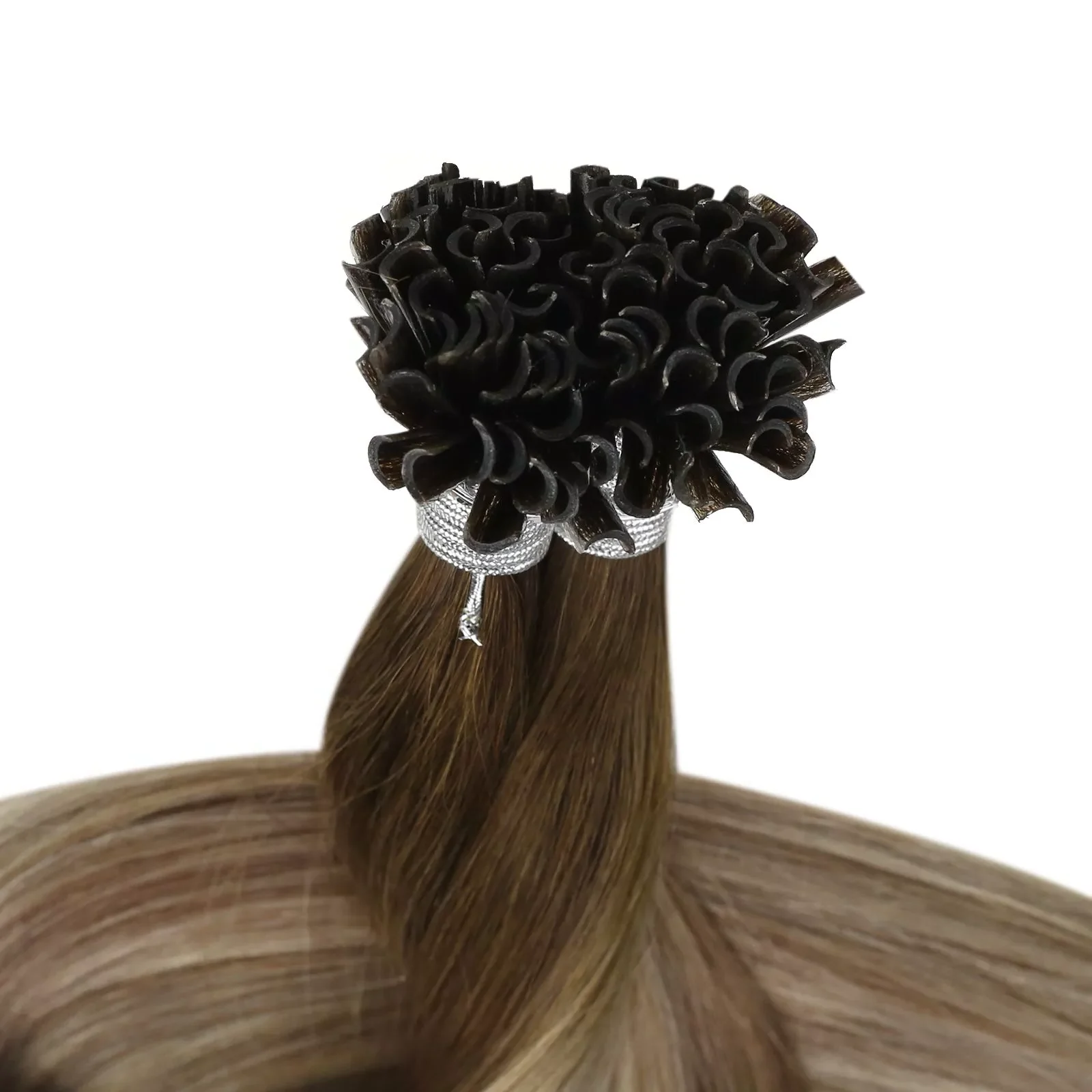
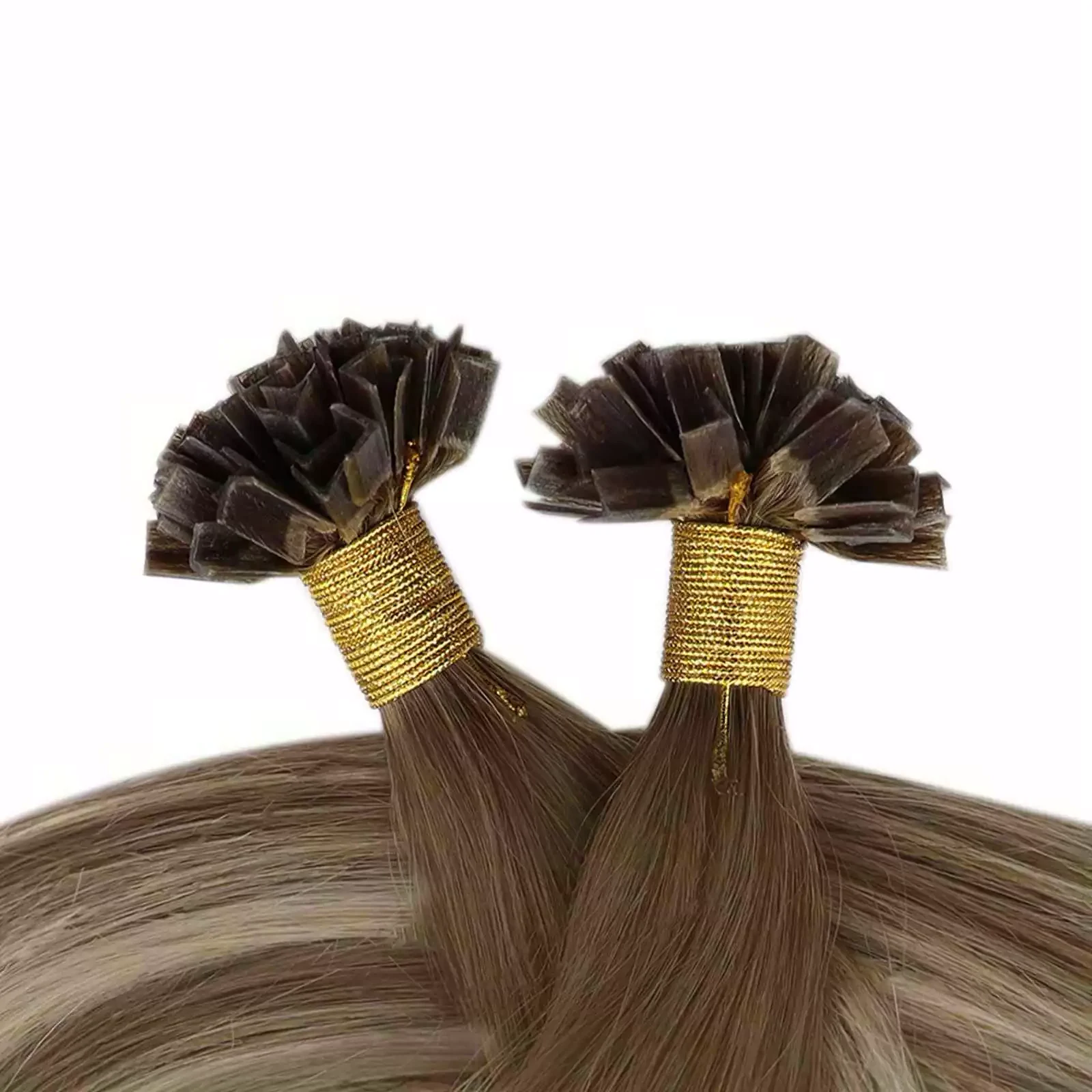
Learn more about the differences between K-tip, U-tip, I-tip, and other methods in our Prebonded Hair Extensions Guide.
Contact Us
If you have questions about keratin hair extensions falling out, bond slippage, or K-tip aftercare, please feel free to contact us.


