Summary
Styling hair extensions safely requires a thermo-mechanical approach that prioritizes bond integrity and fiber health. Key protocols include maintaining styling tools below 350°F (177°C), using silicone-based thermal protectants to seal the cuticle, and avoiding any direct heat or oil application within 1 inch of the adhesive bonds. Proper stabilization of the roots during brushing is essential to prevent traction-induced shedding.
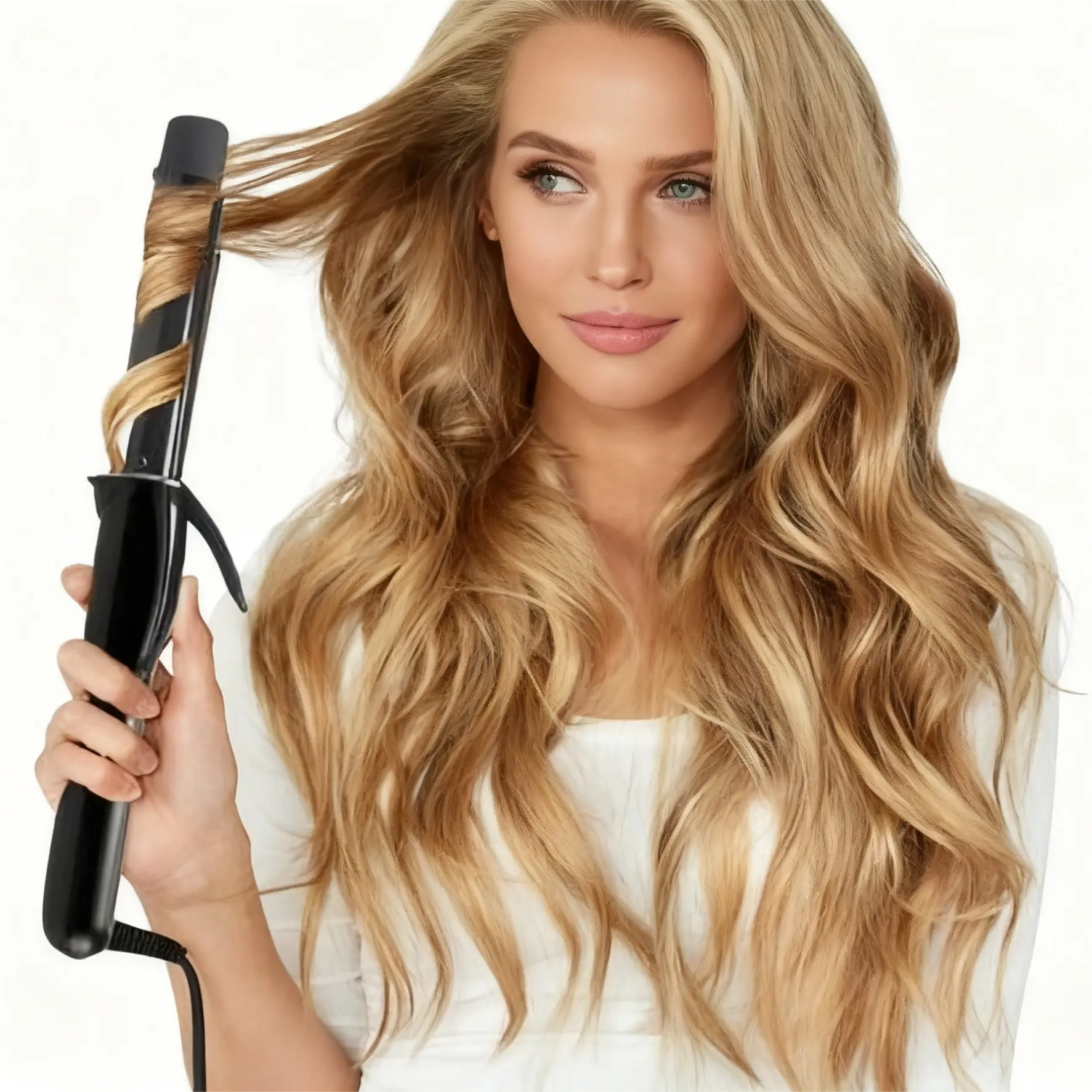
Many women wonder: “Can I style my hair extensions just like my own hair?”
The good news is yes, especially if you’re using real human hair extensions. You can curl, straighten, blow-dry, and create versatile hairstyles. However, extensions need extra care to stay soft, shiny, and long-lasting.
Here’s a complete guide to styling and caring for your hair extensions safely.
Heat Styling: Curling Irons, Flat Irons, and Blow Dryers
Human hair extensions can be styled with hot tools, but they require more care than your natural hair. Why? Because they aren’t connected to your scalp’s natural oils, making them more prone to dryness and damage over time.
Yes, You Can Use Heat — But Do It Wisely
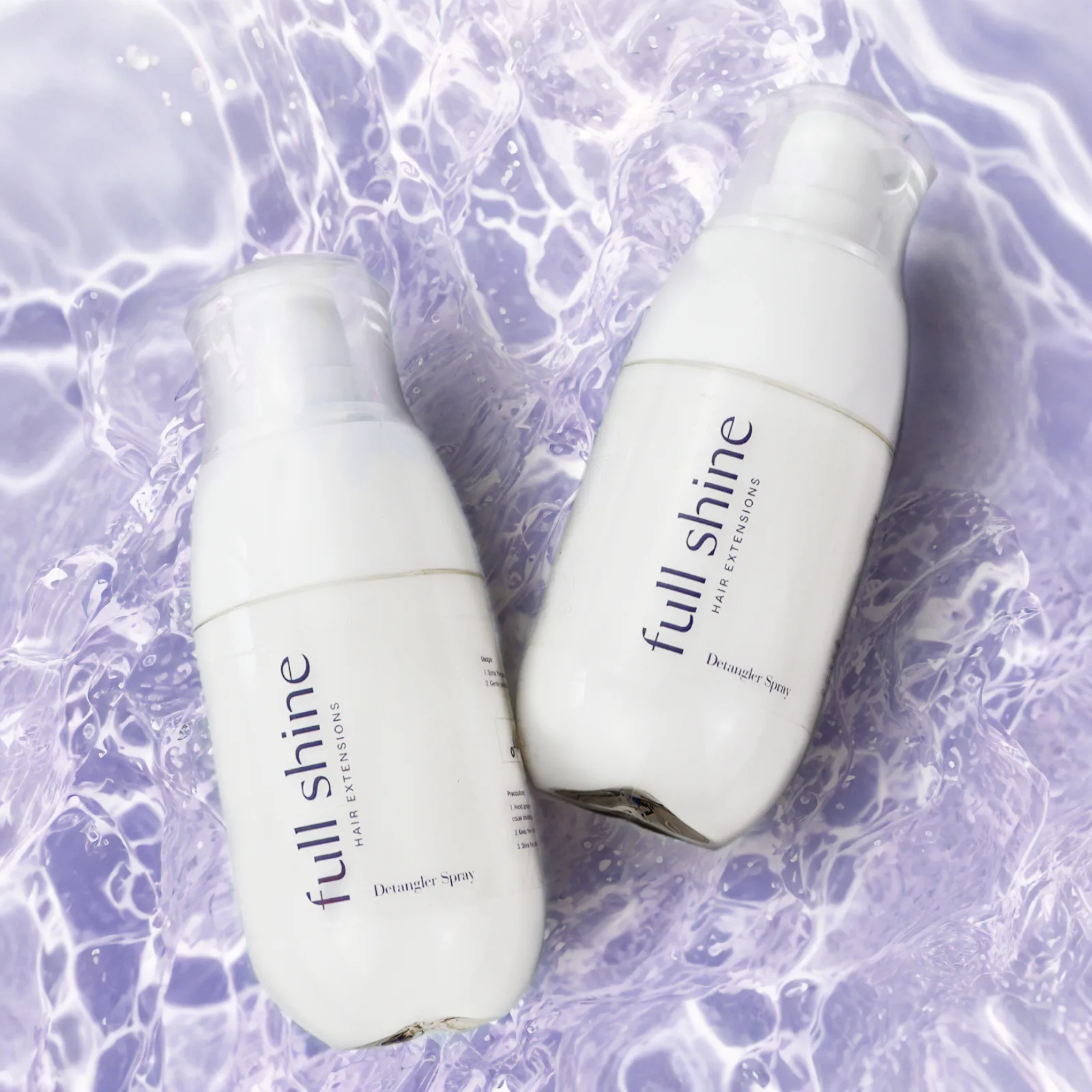
DO:
- Always use a heat protectant spray before styling.
- Start with the lowest effective temperature (300–350°F is usually safe).
- Use ceramic, tourmaline, or infrared tools for even heat distribution.
- Style in small sections for smooth, consistent results.
DON’T:
- Use high heat (above 380°F) — this can burn the hair and cause irreversible damage.
- Apply tools directly to wefts, tapes, or bonds — focus on mid-lengths to ends.
- Use cheap or outdated hot tools — inconsistent heat can fry your extensions.
Styling Wet Hair Extensions: Handle With Care
How you treat your extensions when they’re wet can make or break their lifespan.
After Washing:
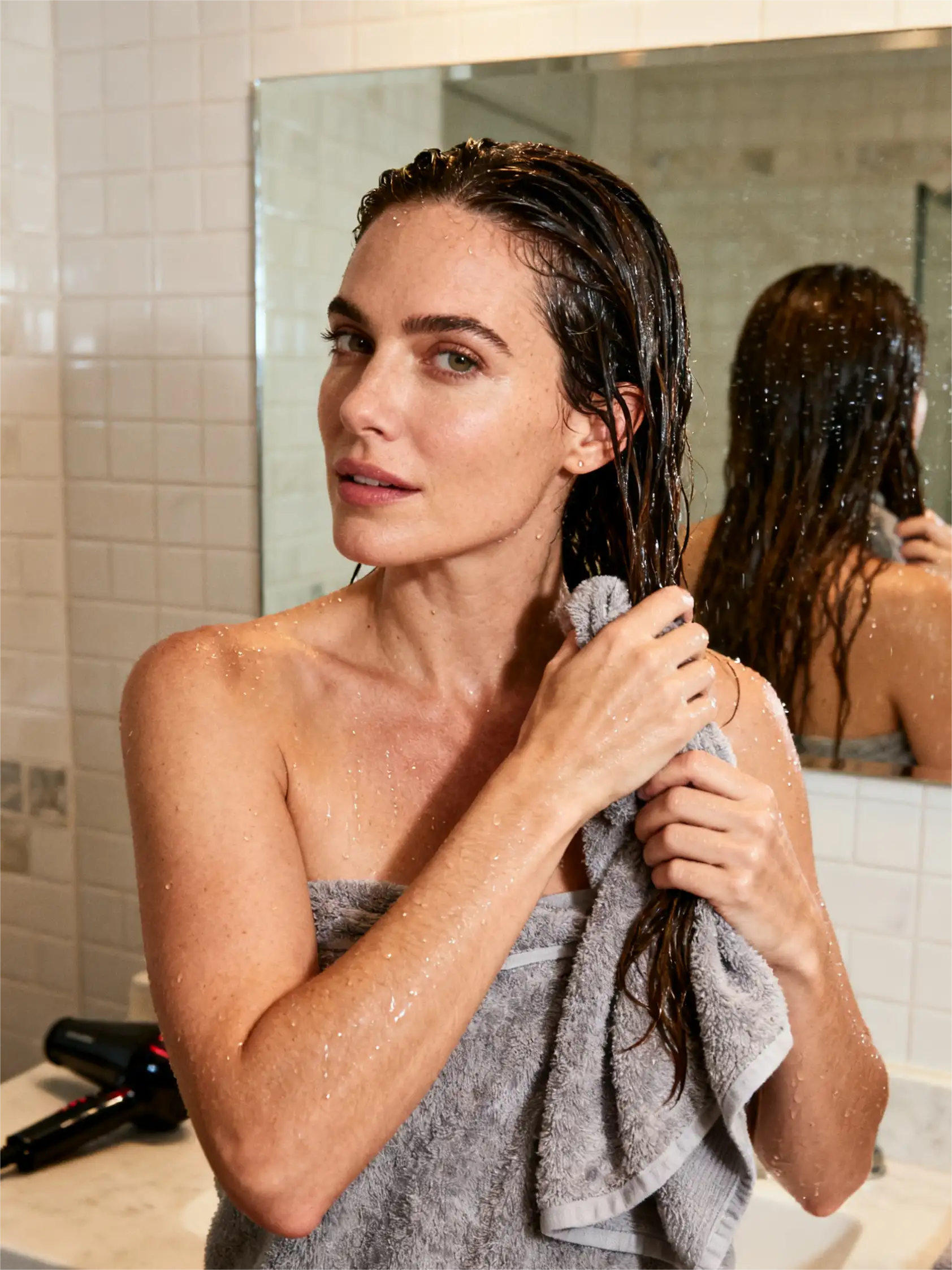
Gently squeeze out excess water — no twisting or wringing.
Pat dry with a microfiber towel or soft T-shirt to avoid frizz and breakage.
Never brush soaking wet hair. If you need to detangle, use a wide-tooth comb starting from the ends and work upward.
Drying Options:
Air-dry
Lay extensions flat or hang them loosely. Avoid clipping tightly — let them dry naturally.
Blow-dry
Use low heat and keep the dryer moving. Always apply a heat protectant first.
Towel-dry
Be gentle — rough towel-drying can cause tangling and damage the cuticles.
Making Your Style Last: Pro Tips & Tricks
For Curls & Waves:
- Use a light-hold hairspray or texturizing spray to set curls without stiffness.
- Once cooled, gently separate curls with your fingers — not a brush.
- For extra hold, set curls with small clips or pins while they cool.
For Updos & Special Styles:
Use bobby pins and mini clips to secure sections without slipping.
Tease gently at the roots for volume that holds.
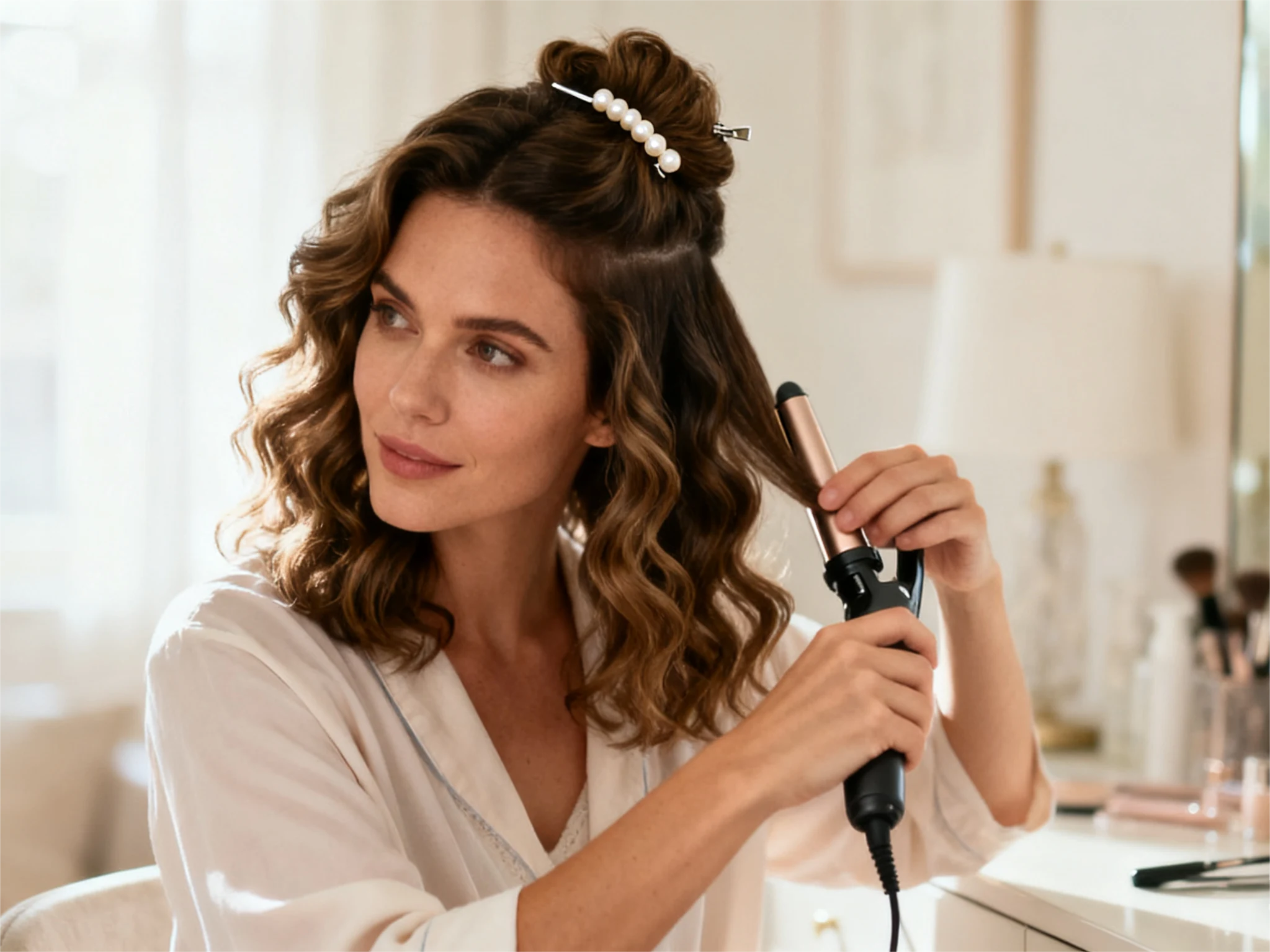
Sectioning Is Key:
- Work in small, manageable sections when curling or straightening.
- Clip up the rest of the hair to avoid tangling and ensure even heat application.
- Style the underlayers first, then move to the top sections for uniform volume.
Washing & Styling Aftercare
Heat styling can dry out extensions faster. Keep them soft and shiny with these tips:
- Use sulfate-free shampoo and conditioner.
- Apply a deep conditioning mask once a week.
- Avoid alcohol-based products.
- Let extensions air dry when possible.
Updos, Braids & Non-Heat Styles
- Try heatless curls — use robe ties or flexi rods overnight.
- Braid damp hair for natural waves.
- Use extension-friendly updos — loose buns and low ponytails are great options.
Just be gentle around bonds or clips to avoid tugging.
What If You Damage Your Extensions?
- Trim the ends if needed.
- Lay off heat styling for a while.
- Use a hair repair serum designed for extensions.
Sometimes, a professional refresh or repair treatment can bring them back to life.
style hair extensions
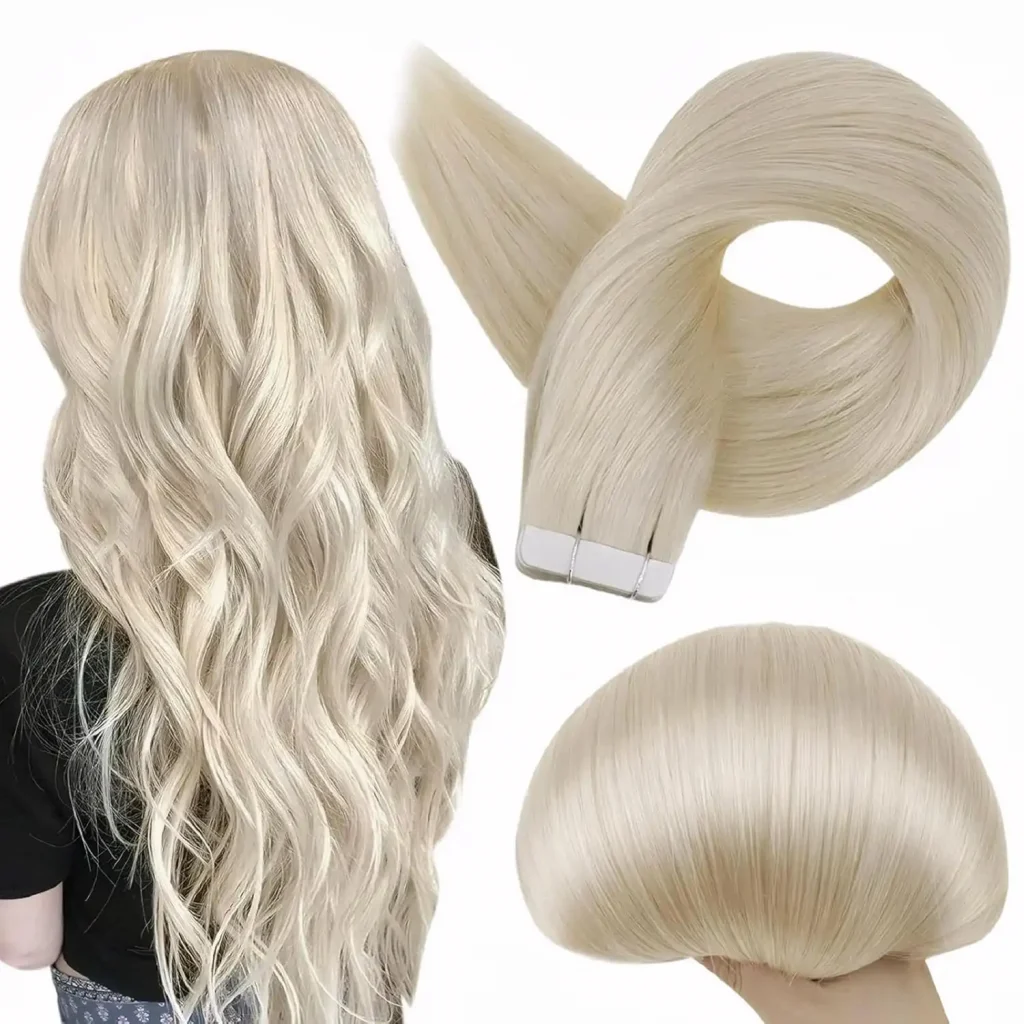
Tape in Hair Extensions
Injection Virgin Tape Ins
Replacement Tapes
Got questions on styling hair extensions?
Related articles

Technical Standards & Industry References:
- Milady Standard Cosmetology: Standardized protocols for thermal styling and mechanical hair protection.
- Professional Beauty Association (PBA): Best practices for the long-term maintenance of professional hair enhancements.
- Modern Salon Media: “The Physics of Heat: Protecting Non-Sebum Supplying Hair Fibers.”
- Journal of Cosmetic Science: Research on the thermal degradation of keratin in human hair extensions.


