If you’ve unboxed your new tape-in hair extensions and noticed: “The roots feel thick and full, but the ends of tape ins are way sparser”—you’re not alone. This is one of the most common questions our US customers ask, and In most cases, thinner ends are intentional and do not indicate a product defect.—it’s tied to how real human hair works, plus intentional design choices for a natural look. Below, we break down the exact reasons behind this density difference, how to tell “normal thinness” from a problem, and how to keep ends full longer—Based on our 10 years of sourcing experience 100% Remy (Remy = hair with cuticles aligned in the same direction to reduce tangling) human hair for American stylists and customers.
Alternate with “tapered tips on tape-ins are usually intentional to blend with natural hair; they are not normally a defect.
Check for abrupt density drop-offs, split ends, or constant shedding — these indicate a quality problem and warrant contact with support.
Care basics: brush gently from tips to roots, avoid brushing wet, moisturize ends (avoid adhesive), and deep-condition weekly.
Keep receipts/photos and perform the unboxing checklist to speed any warranty or returns process.
FAQ: Why Do Tape-In Extensions Have Thinner Ends?
Q: Are lighter ends a defect?
A: Usually not — here’s how to tell.
First, let’s clear a key myth: Uniform density from root to end doesn’t look natural—even your own biological hair is thicker at the scalp (where it’s new growth) and gradually thins toward the ends (where it’s older, exposed to heat/styling). For tape extensions (which are made from real human hair), this “root-to-end density transition” is either natural to the hair itself or intentionally designed to match with your real hair. Here are the 3 main reasons:
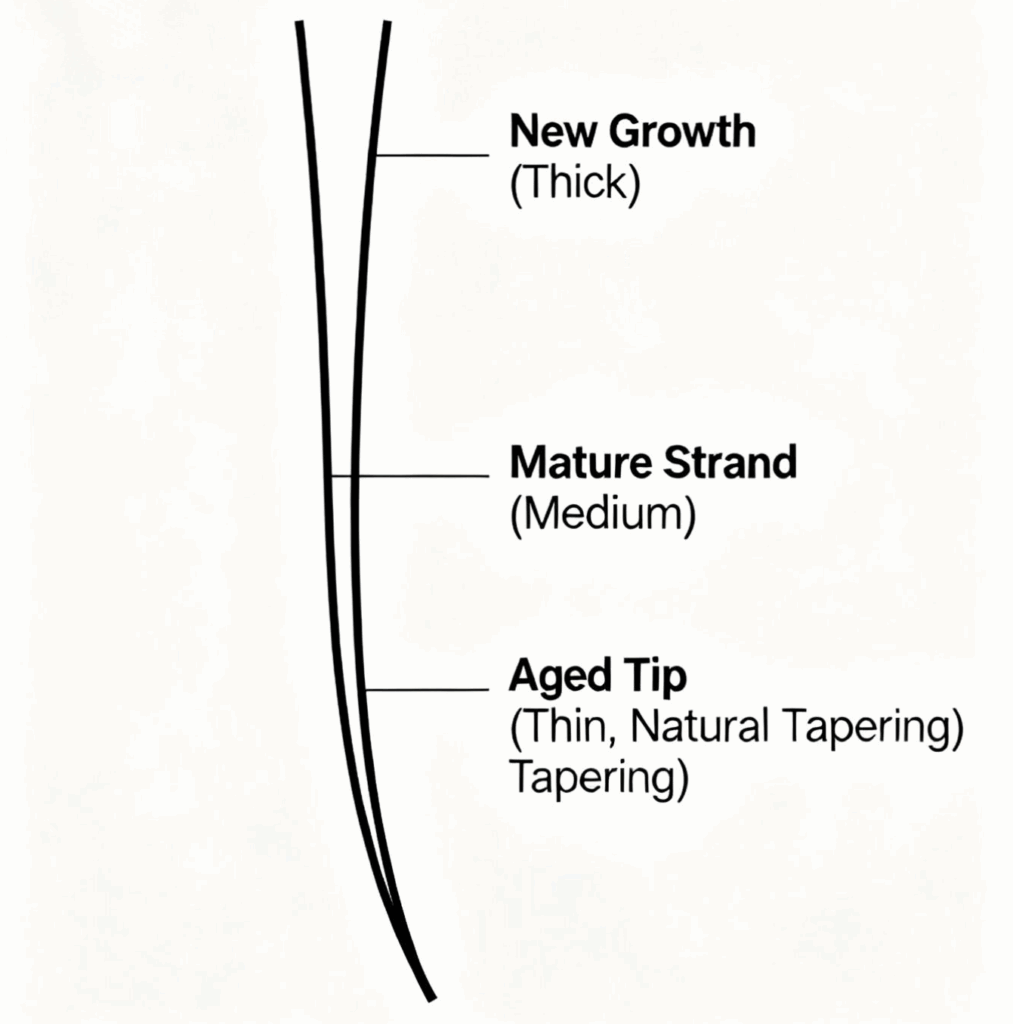
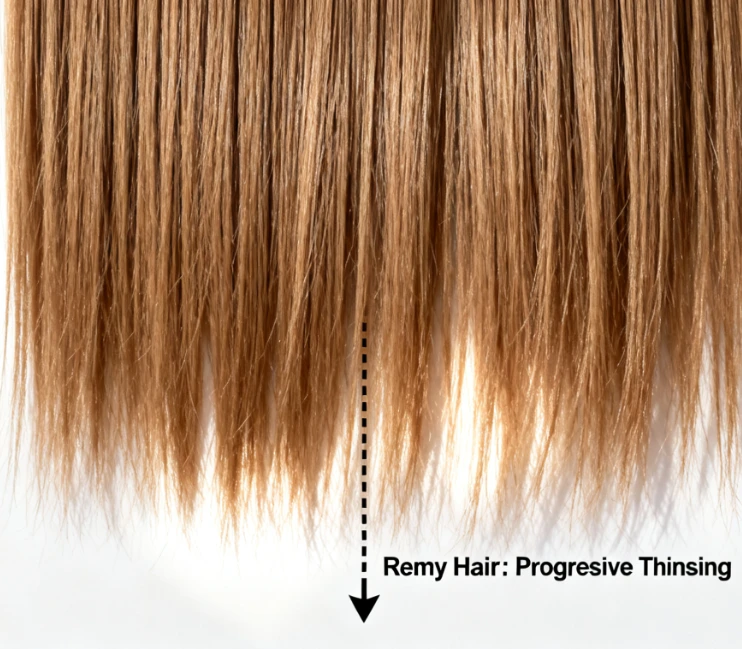
Mimicking Natural Hair Growth Patterns
Real human hair doesn’t have uniform thickness from root to tip. Your natural hair is thickest at the scalp (where it gets nutrients) and gradually thins toward the ends (due to daily wear, styling, and split ends). Our tape-in extensions are designed to replicate this “natural taper”—thicker at the root (where the tape attaches) and slightly thinner at the ends—so they merge visually seamlessly with your own hair. If extensions were thick all the way to the tips, they’d look bulky and unnatural, especially when styled.
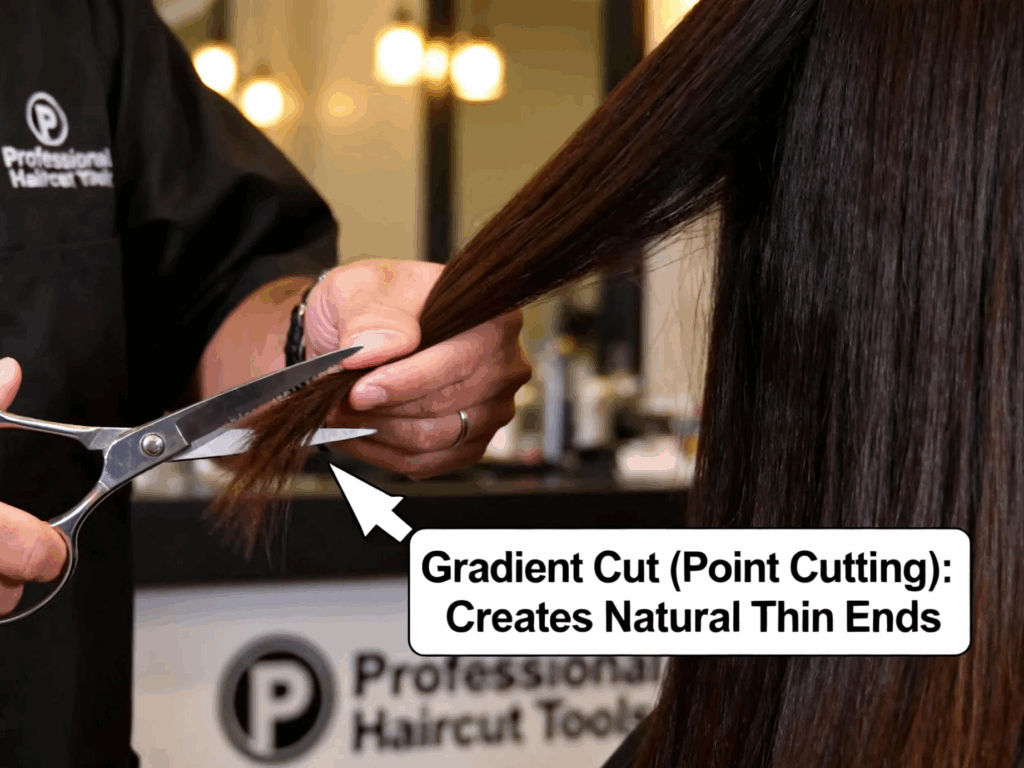
Intentional Angled Trimming for Seamless Blending
If tape-in ends were as thick as the roots, they’d look like a abrupt thickness change when installed—obvious signs that you’re wearing extensions. Our US-based design team uses a angled trimming (gradual tapering) on all tape-ins: we trim the ends of tape ins slight angles to thin them gradually. This lets the extensions blend visually with natural hair’s ends (which are also thin) so no one can spot the line between your hair and the extensions.
How to Tell: “Normal Thinness” vs. a Quality Problem
Q: How can I tell if my tape-ins are defective?
A: Check for sudden density drop-offs, split ends, ongoing loose strands…
Not all end-thinness is intentional—here’s a quick checklist to confirm your extensions are in good shape (we recommend doing this right after unboxing):
| Normal Thinness (No Issue) | Quality Problem (Reach Out to Us) |
|---|---|
| Ends thin gradually—no sudden “drop-off” in density. | Ends are abruptly thin (e.g., roots are thick, but 2 inches from the end, density cuts in half). |
| Strands at the ends are smooth, not frayed or split. | Ends have split ends, tangles, or brittle strands (signs of low-quality hair). |
| Shedding stops after 1-2 brushes (under 5 strands total). | Strand fall-out continues nonstop (10+ strands every time you brush). |
| Thickness matches your natural hair’s ends (blends easily). | Ends are so thin they look “stringy” and won’t blend. |
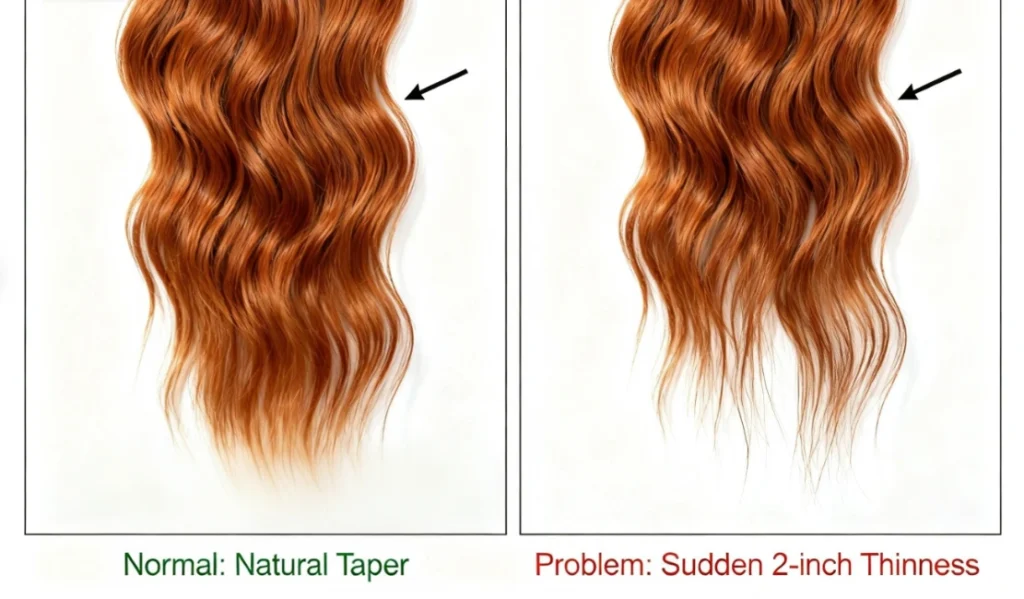
Pro Tip:
Lay the extension flat on a white surface (like a towel) and run your finger from root to end. You should feel a slow, gentle tapering—not a sharp change in thickness.
3 Steps to Keep Tape-In Ends Full & Prevent Further Thinning
Even normal thin ends can get sparser over time if you skip proper care. Follow these US-stylist-approved steps to maintain fullness for the 6-8 week lifespan of your tape-ins:
Brush Gently (Avoid Tugging the Ends)
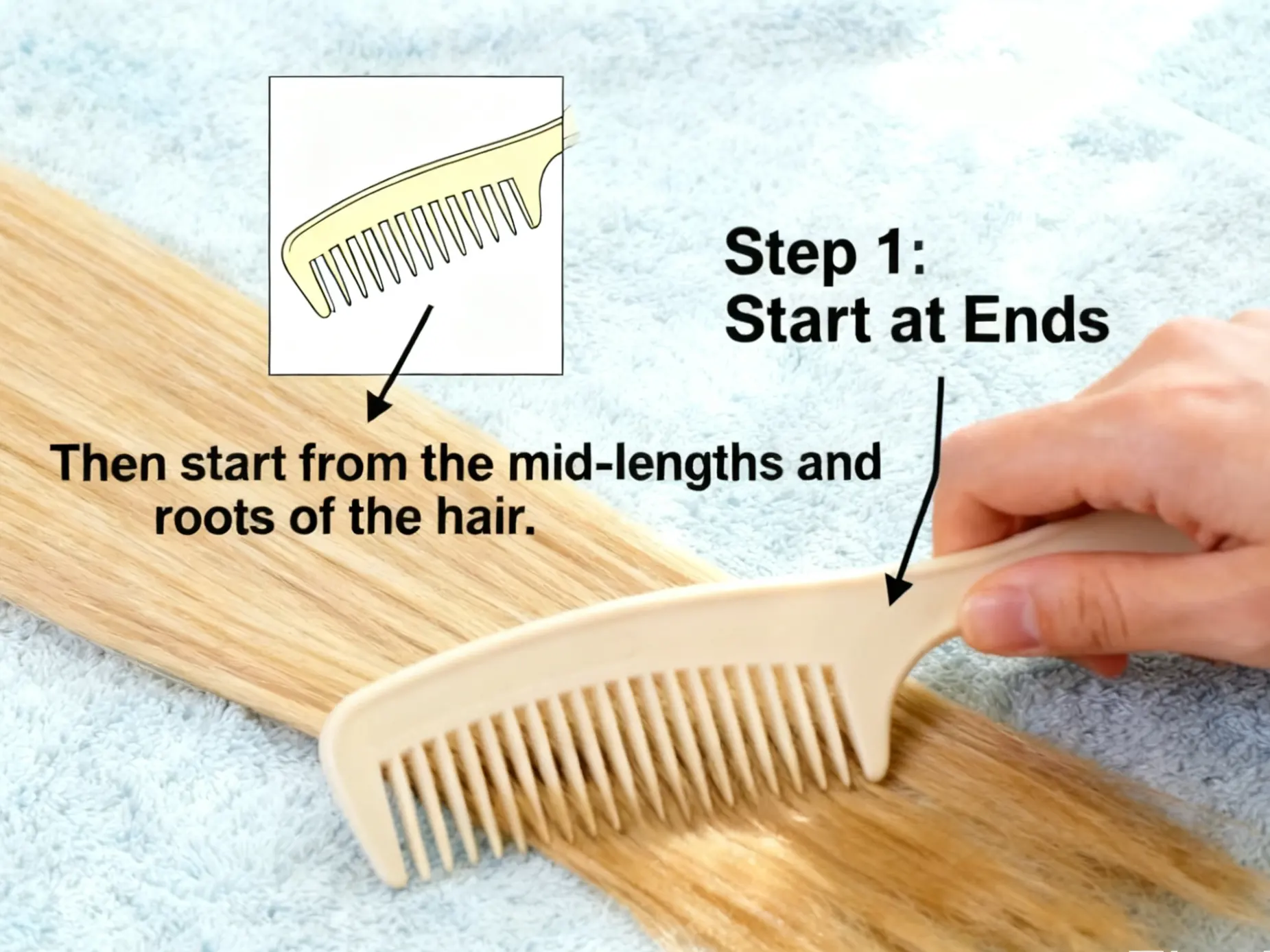
Why it works:
Tugging at thin ends can pull out healthy strands, making sparseness worse. Gentle brushing keeps strands intact.
Moisturize Ends (Don’t Skip This!)
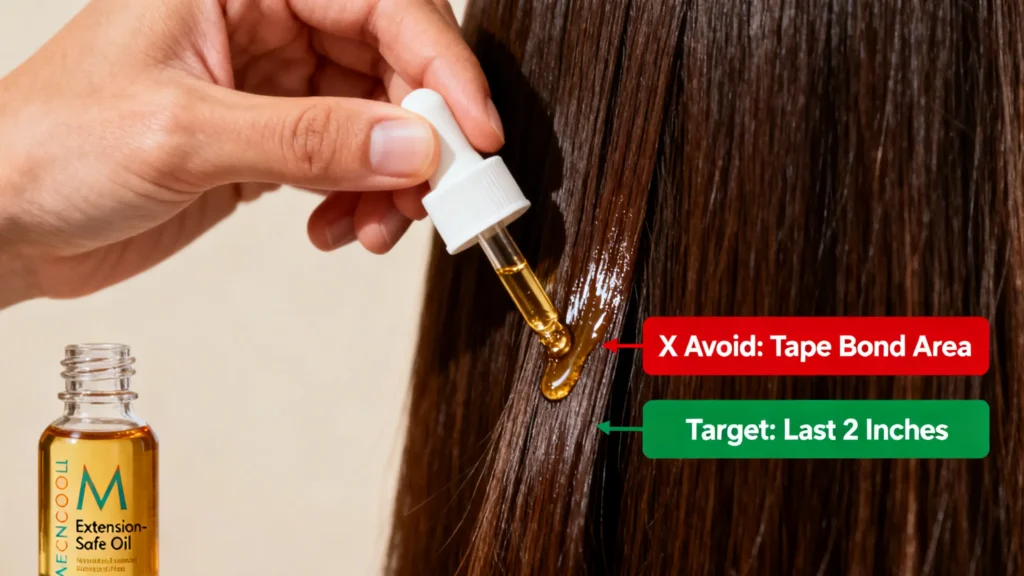
Stylist tip:
Stylist Insight: Maintain moisture! Human hair needs moisture. Use a leave-in conditioner and a deep conditioning mask weekly to keep the hair, especially the ends, supple and strong.
Still Have Questions?
-
Tape Ins Reinstall or Replacement: Which Do You Need?
As a certified hair extension specialist with 12 years of hands-on experience, I understand the importance of not just beautiful […]
-
Full Shine 4 Pcs Wide Long Weft Tape Ins
When it comes to transforming your look with long, voluminous hair, Full Shine 4 Pcs Wide Long Weft Tape Ins […]
-
Injection Tape Ins: Remy vs. Virgin Hair Guide
When it comes to achieving natural-looking, voluminous hair, tape-in extensions are a go-to choice for many. Two standout options in […]
[1] International Journal of Cosmetic Science, 2023. “Natural Hair Shaft Thickness Variation: Root-to-Tip Analysis.”
[2] 2024 Hair Extension Specialists Survey, American Association of Professional Hairstylists.
[3] ISO 9001:2015 (international quality management standard) — an international quality management standard., Quality Management Systems for Beauty and Personal Care Products.


