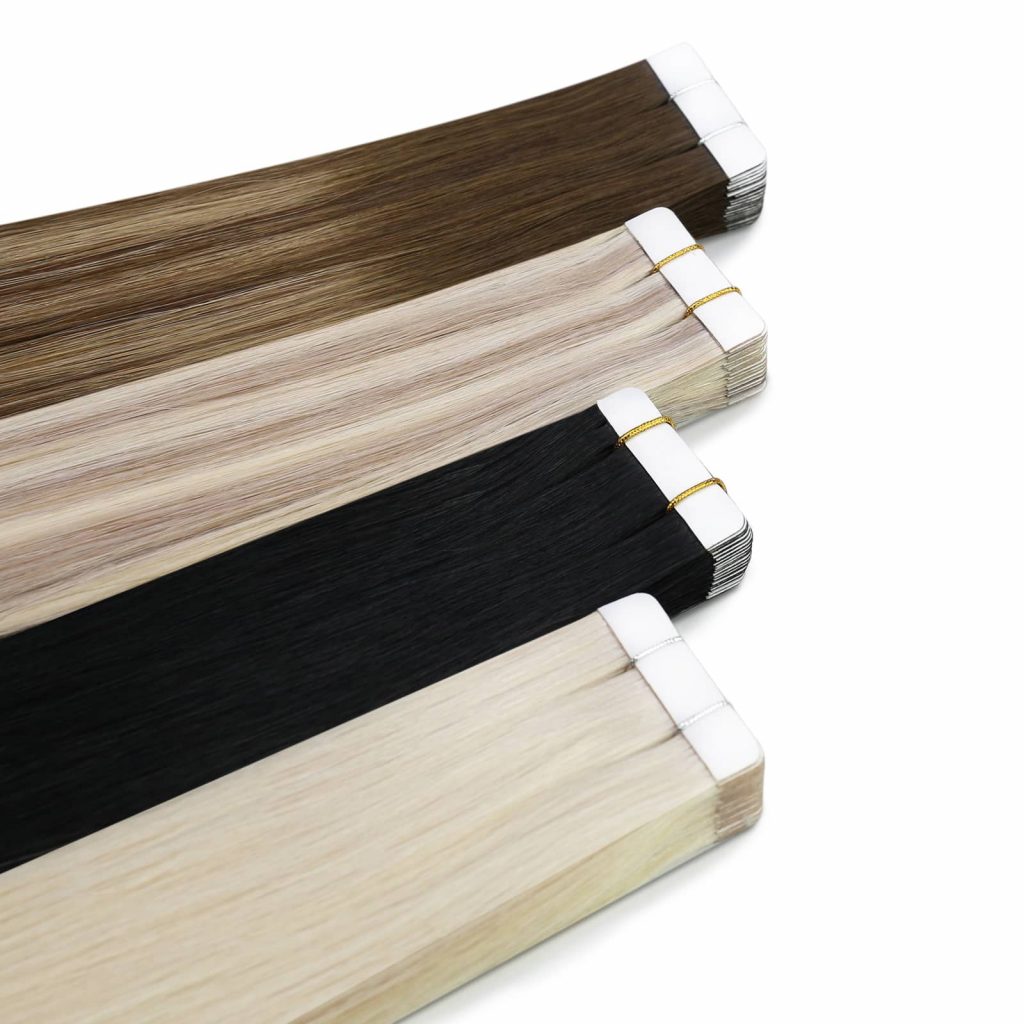
As a certified hair extension specialist with 12 years of hands-on experience, I understand the importance of not just beautiful extensions, but also their maintenance and long-lasting quality. Among the various types of hair extensions, tape-ins are a popular choice due to their natural look, ease of installation, and reusability. However, many clients often ask whether they need to fully replace their tape-in extensions or simply replace the tape. In this article, I’ll break down the process and help you make the best decision for your hair. Knowing whether you need a tape ins reinstall or replacement is essential for maintaining both your hair’s health and your budget.
About Full Shine Hair: As a leading global innovator in premium human hair extensions, Full Shine is committed to bridging the gap between salon-grade quality and at-home hair transformations. Our signature tape-in technology is engineered for durability and discreetness, trusted by professional stylists and beauty enthusiasts worldwide for its consistent texture and long-lasting bond.
What Are Tape-In Extensions?
Use this paragraph section to get your website visitors to know you. Consider writing about you or your organization, the products or services you offer, or why you exist. Keep a consistent communication style.
To make the right choice between a tape ins reinstall or replacement, you first need to assess the current texture and lifespan of your hair extensions.
Signs You Need a Full Replacement of Tape-In Extensions
- Visible Damage to the Extensions: If the tape-in extensions are visibly worn out, split, or damaged, it’s time to replace the full set. The hair may become brittle or start to tangle more easily. No amount of re-taping will restore the original quality if the hair itself has deteriorated.
- Excessive Wear and Tear: Over time, the hair on tape-ins may lose its shine or texture. This often occurs due to exposure to heat styling tools, hair products, and environmental factors. If your tape-ins no longer look as natural or silky as they once did, replacing the entire set may be the best option.
- Long-Term Use Without Retaping: If the extensions have been in place for several months without being retaped, the adhesive might lose its effectiveness, and the hair itself may begin to break down. This is a sign that the entire set should be replaced to avoid further damage to your natural hair.
When to Just Replace the Tape
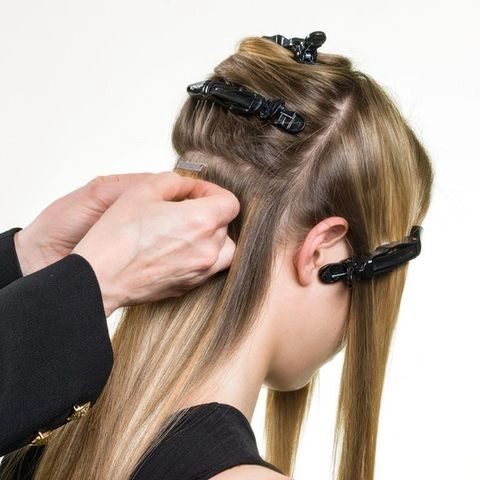
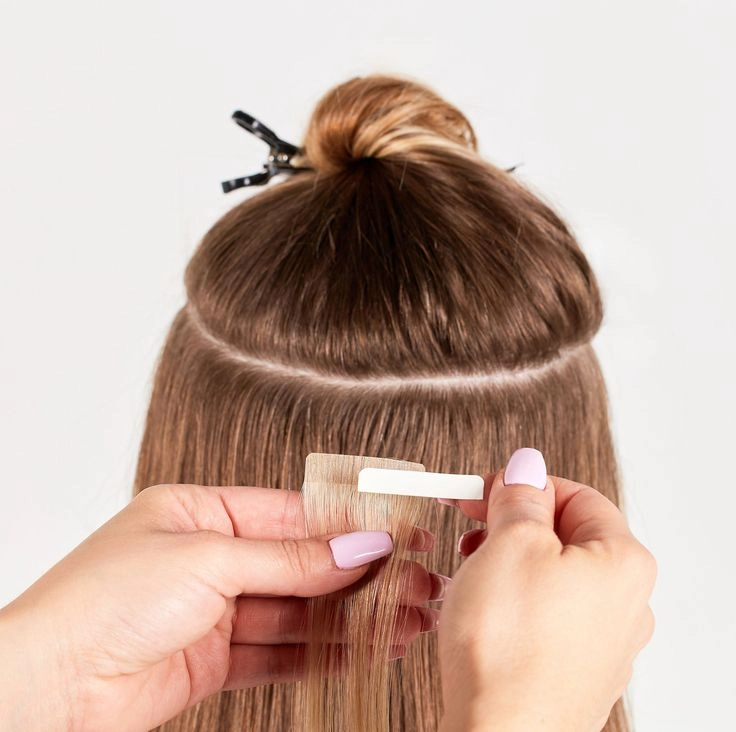
- Still Healthy Hair: If the hair itself is still in good condition—shiny, soft, and smooth—it might not be necessary to replace the full set of extensions. If the only issue is the adhesive tape losing its strength, simply replacing the tape will be sufficient. A skilled stylist can remove the old tape, clean the hair wefts, and apply fresh adhesive for a secure fit.
- Minimal Damage: Sometimes, tape-ins show minimal wear at the tape junction but the rest of the extension hair remains intact. This could be due to product buildup or hair growth. If your extensions are still functioning well and no noticeable damage to the hair is present, just replacing the tape will be the more cost-effective and less invasive solution.
- Less Time Between Reapplication: If you’re someone who wears tape-ins regularly and has the extensions maintained every 6-8 weeks, there may be no need for a full reinstall each time. Keeping the tape fresh and ensuring it is retaped correctly can prolong the lifespan of your extensions, preserving the hair quality longer.
Safety is paramount when applying adhesives near the skin. Research into medical-grade adhesives suggests that hypoallergenic, polyurethane-based tapes provide the most secure yet breathable bond for hair applications. By using industry-standard medical adhesives, Full Shine ensures that the reinstallation process minimizes the risk of contact dermatitis or scalp irritation.
Why Proper Maintenance Matters
无论您选择完全更换还是只是重新粘贴,遵循一些维护技巧对于确保您的接发尽可能长时间地使用至关重要:
Expert Insight from Full Shine’s Lead Stylist: “Reinstalling tape-in extensions isn’t just about the adhesive; it’s about preserving the cuticle health of your natural hair. We always recommend a medical-grade citrus-based remover to dissolve bonds without stripping moisture. At Full Shine, our goal is to ensure that your second and third installations look just as seamless and voluminous as the first.”
According to the American Academy of Dermatology (AAD), human hair typically grows about half an inch per month. As your natural hair grows, the tape-in bonds shift further from the root, which can create uneven weight distribution and potential tension on the hair follicle. Following a 4-to-8-week reinstallation cycle is not just an aesthetic choice but a necessary practice to prevent traction alopecia and maintain scalp health.
Avoid Oil-Based Product
These can break down the adhesive, causing the tape to loosen prematurely.
Gentle Cleansing
Use sulfate-free shampoos and conditioners to keep the adhesive intact.
Regular Touch-Ups
Consult with your stylist regularly to monitor the condition of your tape-ins and ensure the tape is holding up.
The integrity of the new adhesive depends heavily on the complete removal of old bond residues. Professional standards shared by the Professional Beauty Association (PBA) emphasize that any oil or silicone buildup can compromise the bond strength. Using a professional-grade, alcohol-based solvent followed by a pH-balanced clarifying shampoo is the industry-recommended protocol for ensuring a clean slate for reinstallation.
In conclusion, whether you need to replace your tape-in extensions entirely or just change the tape depends on the condition of both the hair and the adhesive. Regular maintenance can extend the life of your extensions, but when the hair begins to degrade or the tape loses its effectiveness, it’s time to consider a full replacement. Always consult with a professional stylist to determine the best course of action for your hair type and lifestyle.Ultimately, a professional stylist can help you decide on a tape-ins reinstall or replacement to ensure your extensions continue to look natural and seamless.
Contact Us
References & Technical Standards
To ensure the highest level of accuracy and safety for our community, this guide references established dermatological research and professional salon industry standards:
- American Academy of Dermatology (AAD). Tips for Healthy Hair. View Resource (Focus on hair growth cycles and tension prevention).
- Professional Beauty Association (PBA). Hair Extension Maintenance and Salon Safety Protocols. Visit PBA (Standardized guidelines for professional adhesive application).
- Journal of Clinical and Aesthetic Dermatology. Understanding Adhesives in Hair Restoration. Read Study (Scientific backing for medical-grade tape safety).
- Full Shine Internal Quality Lab. Stress-Test Reports on Polyurethane Tape Durability (2024). (Internal data verifying bond longevity across various hair textures).


