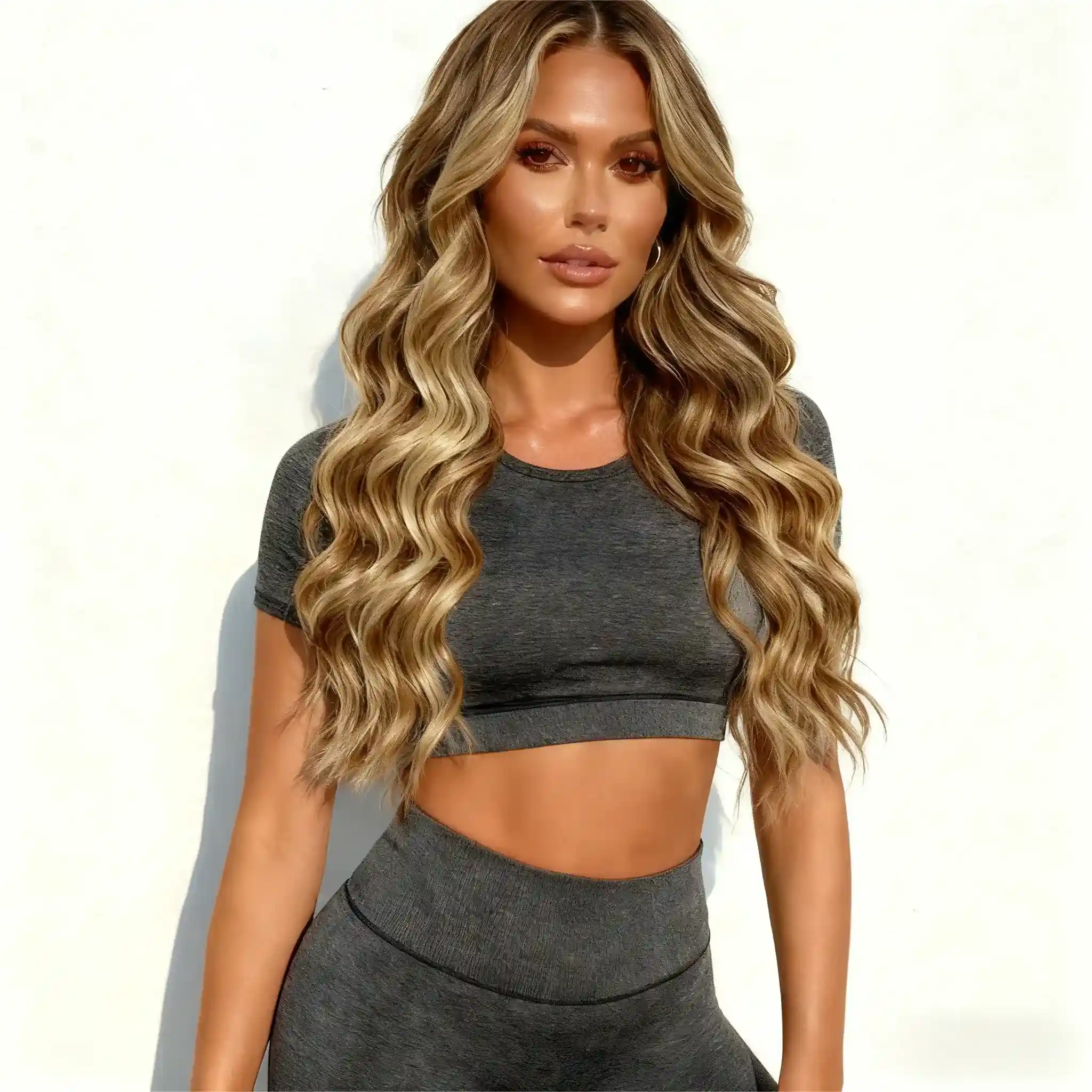
Problematic Hair is a common headache for many, often caused by daily styling, environmental factors, or simply neglect. Whether it’s gentle knots or stubborn snarls, understanding how to effectively care for and detangle your hair is key to maintaining its health and appearance.This guide explores practical tips and step-by-step techniques to help you tackle tangled hair with ease, preventing damage and restoring your locks to their smooth, manageable best. Read on to discover how to care for hair extensions and transform frustrating tangles into a thing of the past.
Key Takeaways
Part 1: Essential Care for Hair Extensions
Preparation
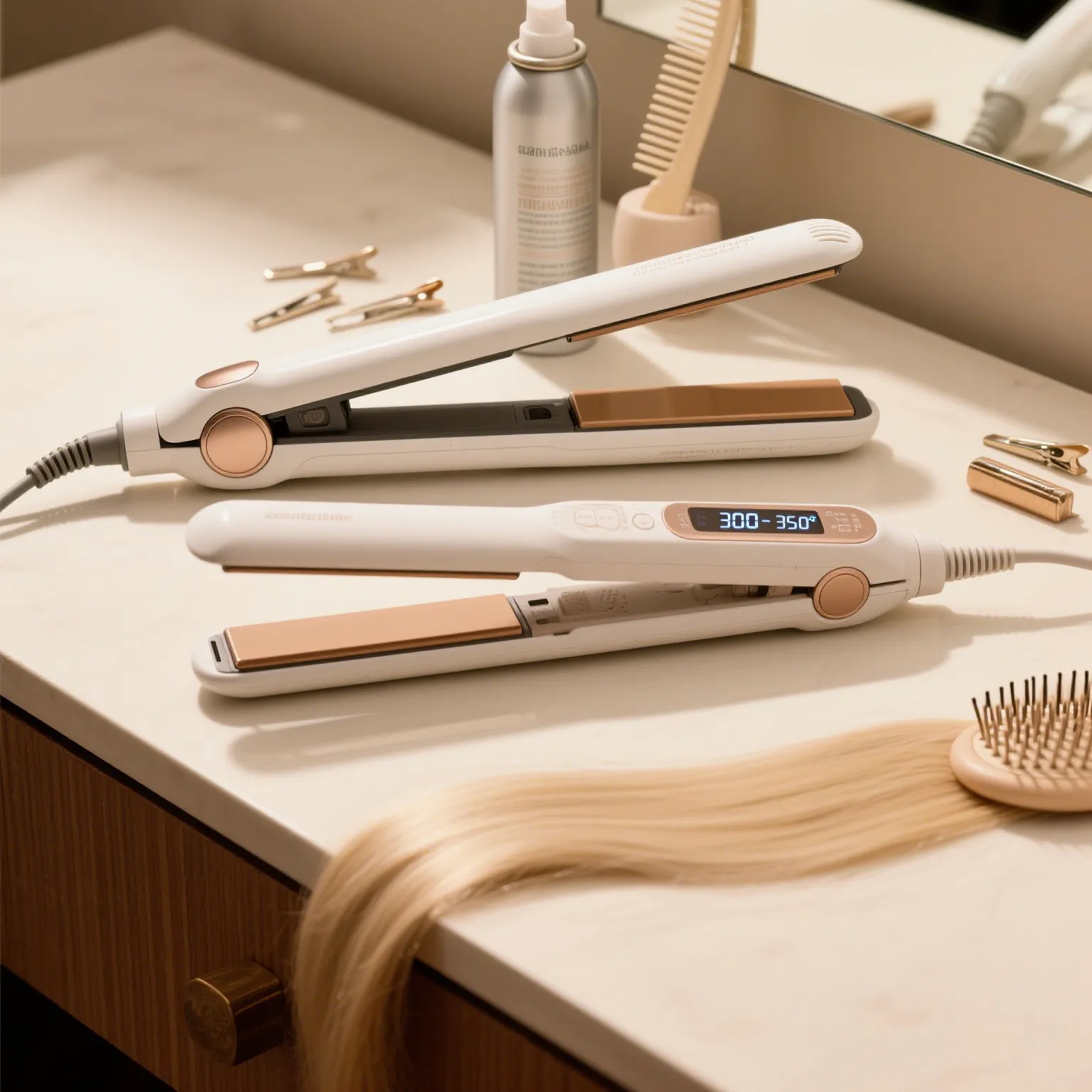
- Use quality tools: Ceramic flat iron (150–177°C), heat protectant spray, wide-tooth comb, clips
- For best results: Start with clean, dry extensions to prevent matting and reduce bacterial growth on adhesive areas.
Related professional articles: National Health Service (NHS) — “Hair and scalp care basics”
Straightening Process
Maintenance extensions Tips
Related professional articles: PubMed / NIH review on hair extensions — “research on hair extension safety and maintenance”
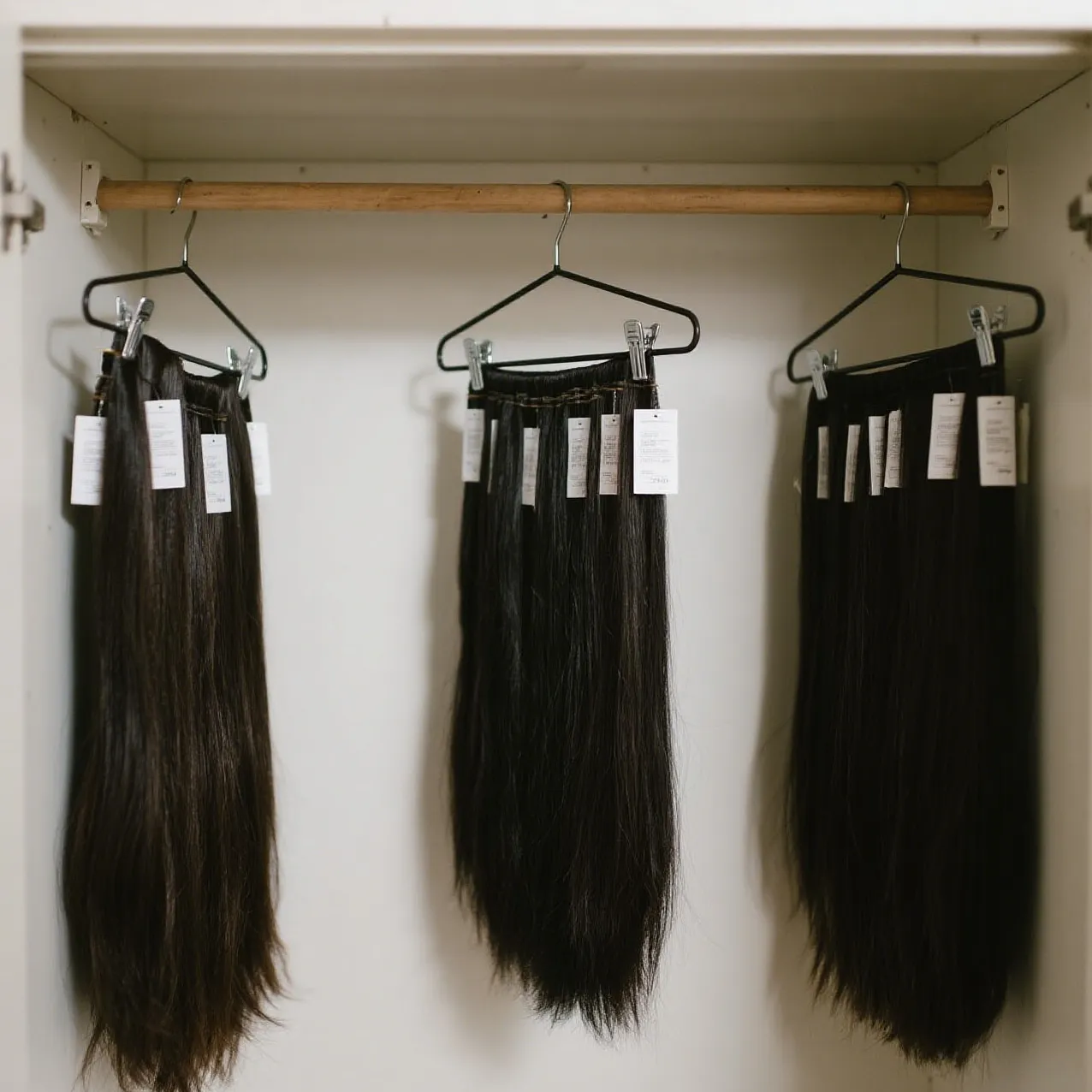
Store hair extensions straight using hanger or holder.

Sleep on a silk or satin pillowcase to reduce friction and tangling.
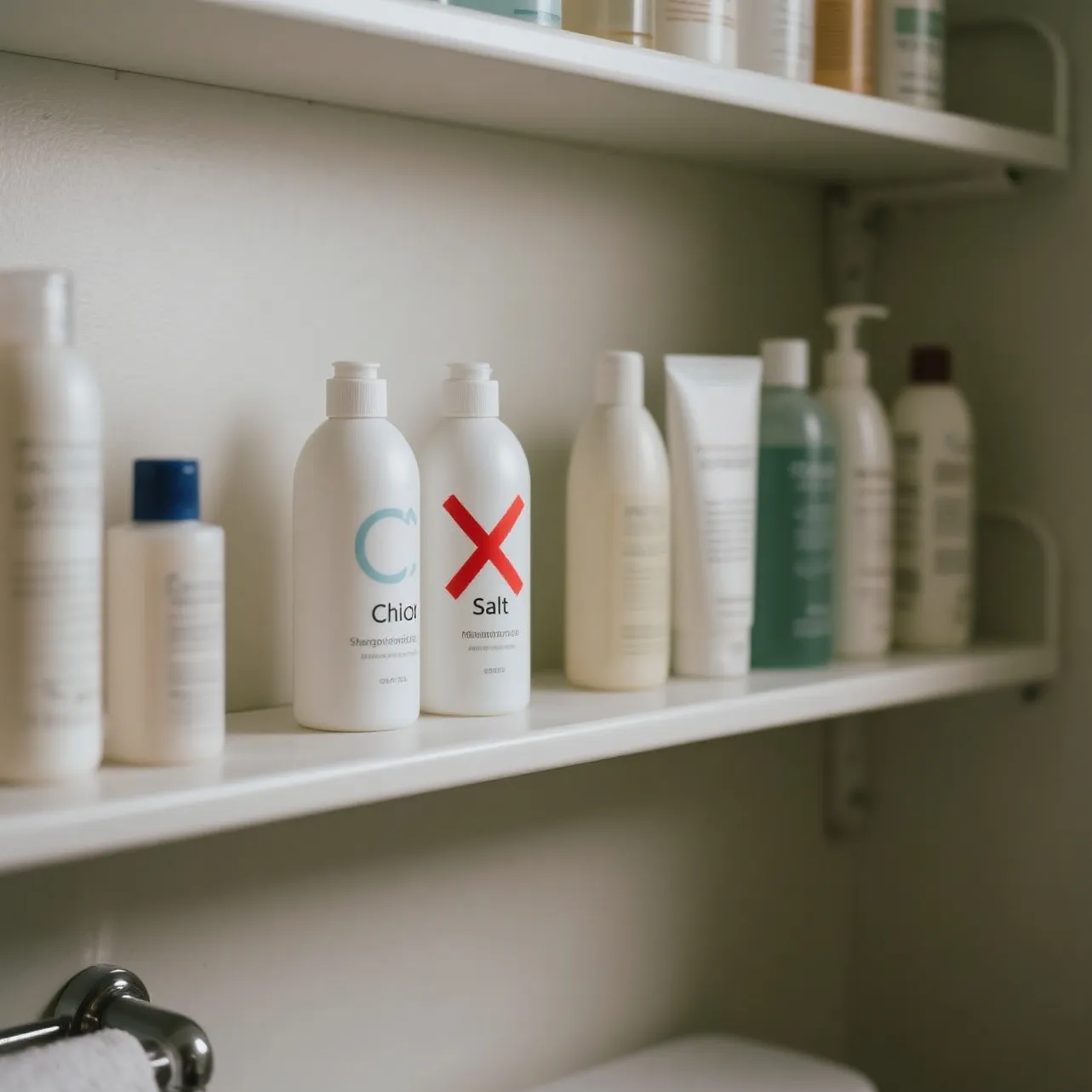
Rinse extensions with fresh water immediately after saltwater exposure and avoid applying shampoo to the bonded/root area

Book professional maintenance every 6–8 weeks, or sooner if you notice slippage or excessive tangling.
Part 2: Reviving Dry/Tangled Hair

Hydration Routine
Detangling Protocol
Start with damp hair
Use wide-tooth comb from ends upward
Apply detangling spray as needed
Hold hair at roots to reduce tension
Damage Prevention and Care Adjustments
Related professional articles: American Academy of Dermatology (AAD) — “How to care for your hair”
Damage Prevention
1. Limit heat styling to 2-3 times weekly
2. Use thermal protectant before styling
3. Maintain 350°F maximum heat setting
4. Air-dry whenever possible
Care Adjustments
1. Increase conditioner
2. Use sulfate-free and alcohol-free shampoo
3. Protect hair during sleep (loose braids/silk caps)
4. Avoid tight hairstyles causing tension
Combined Care Strategies

Need personalized extension care advice?