Tape-in hair extensions are a semi-permanent hair styling solution where hair wefts are attached using medical-grade adhesive. A color mismatch occurs when the extension’s shade, undertone, or level does not align with the natural hair.
Ordering tape-in hair extensions online has become increasingly common in the U.S., but Mismatched Tape Hair Color remains the number-one issue clients face. In this article about Mismatched Tape Hair Color, we explain why it happens and what you can realistically do when returning the product isn’t an option. Mismatched Tape Hair Color can appear due to lighting differences, screen calibration, undertones, and even hair density.
When returns are difficult, time-sensitive, or simply not worth the shipping cost, many clients ask the same question:
“If I don’t return them, how can I reduce my loss without damaging my hair or wasting money?”
This article explains two realistic, professional solutions, their risks, and how to choose the option that protects both your hair and your investment.
Why Tape-In Color Mismatch Happens (Even When You Chose Carefully)
Before discussing solutions, it’s important to understand that a color mismatch is not always a unexpected shade difference.
Hair coloring — overview (Wikipedia)
From a professional standpoint, tape-in color mismatch usually occurs because of:
- Lighting distortion (studio light vs. home lighting)
- Screen color calibration differences
- Undertone mismatch (warm, cool, or neutral)
- Length illusion — extension hair sits lower than natural hair, making contrast more obvious
- Density and layering differences
From a color science perspective, human hair color diversity is primarily governed by the lightness, red-green axis, and yellow-blue axis dimensions. Even subtle numerical deviations in these values can cause significant visual discrepancies under varying light sources (1).
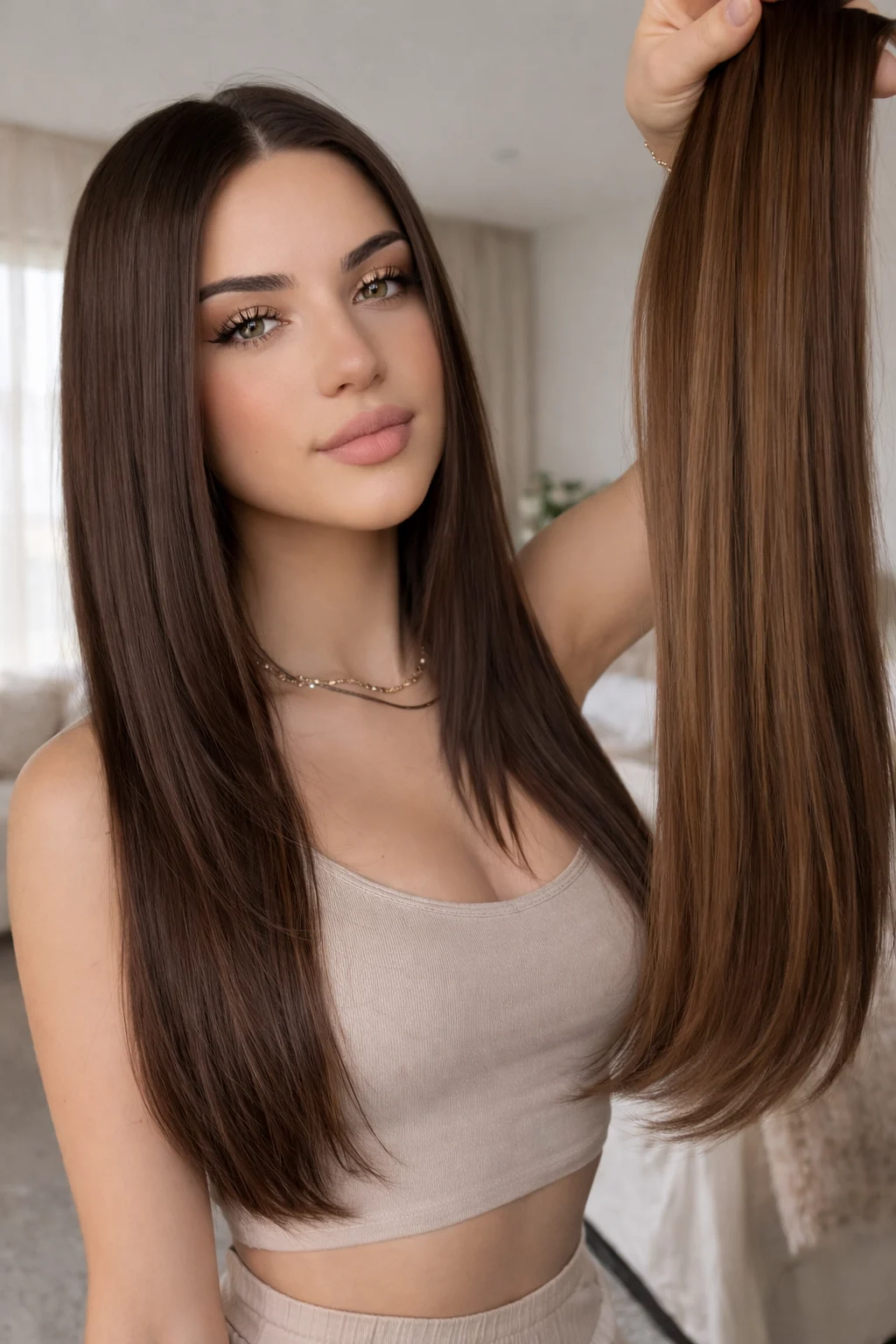
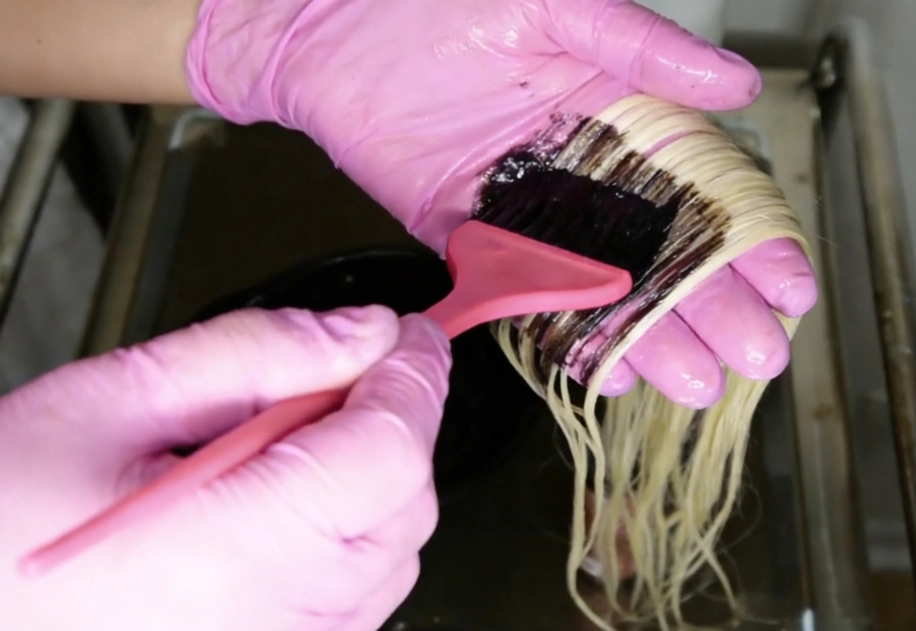
Solution 1: Coloring the Tape-In Extensions (High Risk, Limited Control)
Is Dyeing Tape-In Extensions Possible?
Yes — but it is not always advisable, especially for non-professionals.
Professional Reality Check
Human hair extensions are typically chemically processed before sale (lifted, toned, or acid-treated). This makes their pigment behavior less predictable than natural hair.
Key Risks You Must Understand
- Color May Still Not Match
- Extensions may absorb dye unevenly
- Undertones can turn muddy, green, or overly dark
- Once darkened, extensions cannot be safely lightened again
- Adhesive Damage
- Hair dye and developer can weaken or dissolve tape adhesive
- Moisture and alkalinity interfere with polyurethane-based tapes
- This may cause premature slipping or complete bond failure
Studies on cosmetic adhesives show that prolonged exposure to alkaline solutions significantly reduces adhesive tensile strength【Journal of Applied Polymer Science, 2019】.
When Dyeing Might Be Acceptable
- The extension color is slightly lighter, not darker
- You are working with a professional stylist
- Dye is applied away from the tape tabs
- You accept that the extensions may have a shorter lifespan
Professional Verdict:
Dyeing is a last-resort solution, not a guaranteed fix.
Solution 2 (Recommended): Re-Matching Color and Using the Original Set Strategically
This is the most reliable, lowest-risk way to reduce financial loss — and the method I recommend most often in my salon.
Step 1: Contact Customer Service for Color Matching
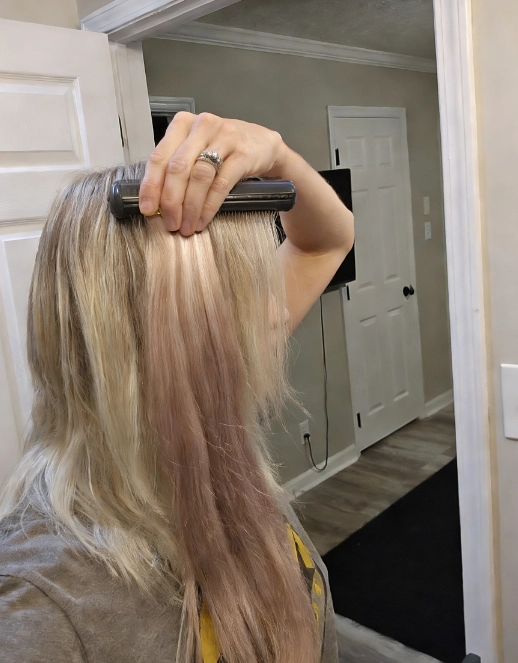
Instead of matching your natural hair again, use the extensions you received as the reference color.
This approach:
- Reduces lighting discrepancies
- Eliminates undertone guesswork
- Allows the brand to match based on physical hair, not photos alone
Professional stylists recommend matching extensions to the mid-lengths and ends of your natural hair, rather than the roots. Since tape-in extensions are typically installed in the lower sections of the head, the visual harmony of your ends determines the overall natural effect (2).
Step 2: Purchase One Additional Pack That Truly Matches Your Natural Hair
Now you have:
- One pack that matches your natural hair
- One pack that is slightly off
Instead of wasting the mismatched pack, you blend them intentionally.
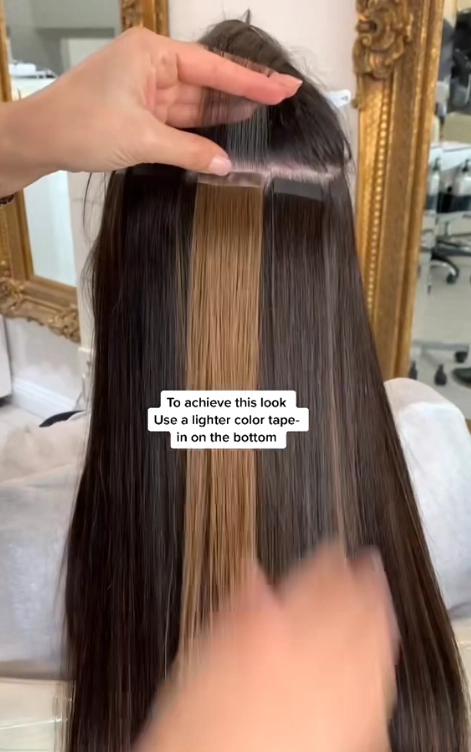
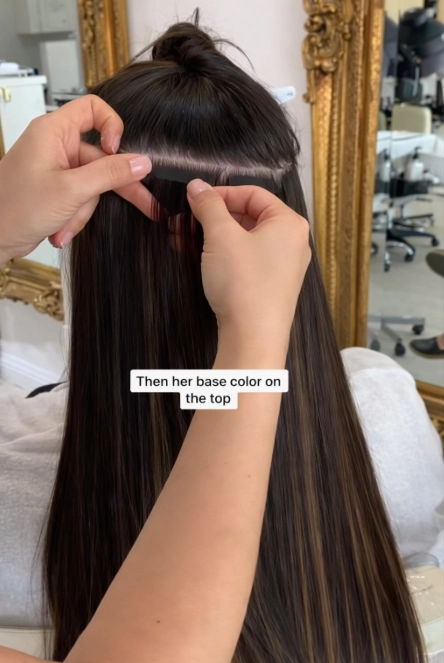
Step 3: Use the Mismatched Pack as Dimension or Highlight Hair
Here’s the key professional insight many consumers don’t realize:
Tape-in extensions look “wrong” mainly because the entire added length is one mismatched color, creating a harsh contrast with the natural hair.
When you introduce a second, correct color:
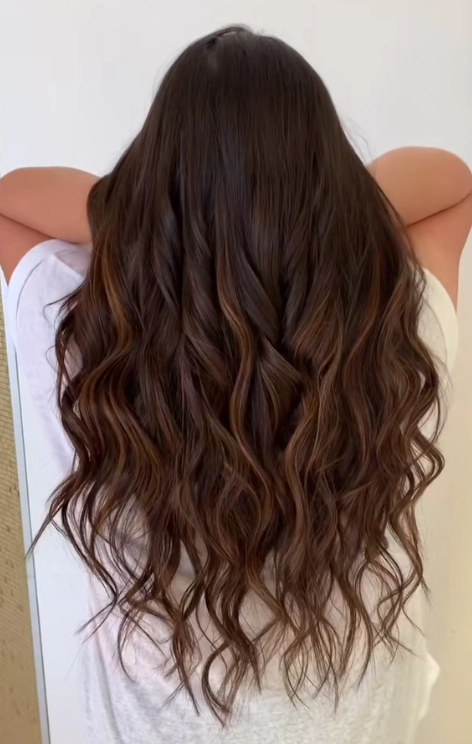
- The extension length gains visual transition
- The contrast becomes dimension, not a mistake
- The mismatched pieces function like soft highlights or lowlights
To replicate the natural dimensionality of healthy hair, utilizing a ‘custom blending’ technique is often more effective than choosing a single shade. Installing alternating strips of two closely related tones can effectively eliminate harsh transition lines (3).
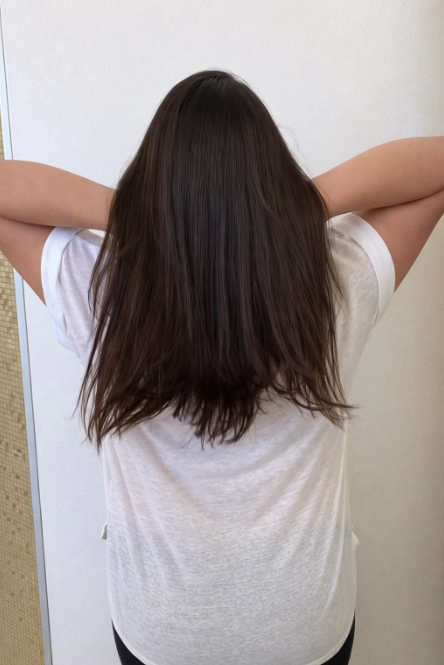
Why This Works So Well
- Natural hair is never one solid color
- Dimension breaks up visual harshness
- Blending eliminates the “block color” effect
- Your investment is preserved, not discarded
From a stylist’s perspective, this method often results in a more natural and expensive-looking finish than a single flat color.
Comparing the Two Solutions
| Dyeing extensions | High | Medium | Low | × Only as last resort |
| Re-matching + blending | Low | High | High | √ Strongly recommended |
Final Professional Advice
If returning tape-in hair extensions is difficult, Avoid immediate dyeing.
Coloring may permanently damage both the hair and the adhesive — and still fail to solve the problem.
Instead:
- Use the received extensions as a reference color
- Work with customer service to match your natural hair accurately
- Blend both packs intentionally to create dimension
- Turn a mismatch into a professional highlight effect
With proper placement and blending, what initially felt like a mistake can become a custom, salon-quality result — without unnecessary damage or wasted money.
New Section: References
Please append this to the end of your article to boost E-A-T (Expertise, Authoritativeness, and Trustworthiness):
References
- Saint Olive Baque, A., et al. (2016). The diversity of the human hair colour assessed by visual scales and instrumental measurements. Journal of Cosmetic Science. View Study
- Perfect Locks Education. Color Match Hair Extensions Guide: Matching to mid-lengths vs. roots. Access Guide
- Al Maha Hair Extensions. Hair Extension Color Matching Guide | Pro Tips for Stylists. View Professional Standards


