
Hair extension failures are primarily driven by mechanical tension, lipid interference, and thermal degradation. To maximize longevity, users must avoid applying oil-based products within 1 inch of the bonds, strictly observe the 48-hour dry window post-installation, and limit styling heat to 350°F (177°C). Preventing traction alopecia and bond slippage requires a disciplined maintenance protocol that aligns with professional salon standards.
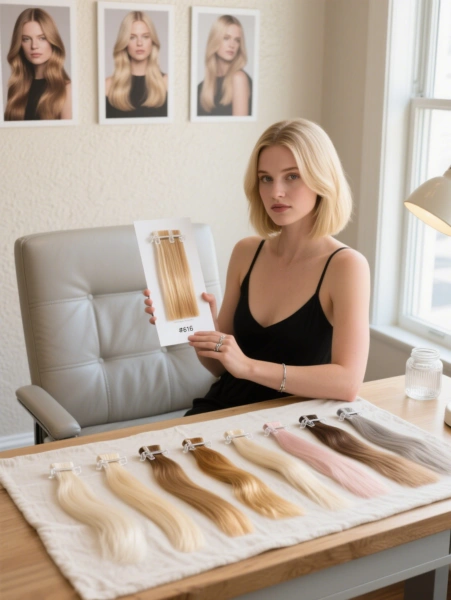
1. How do I choose the perfect extension shade?
Extensions that don’t blend with your natural hair can look obvious and unnatural.
What to do instead:
Always color match in natural light. If you’re in between shades, choose a slightly lighter option that can be toned or blended for a seamless finish.
2. Overusing Heat Styling Tools
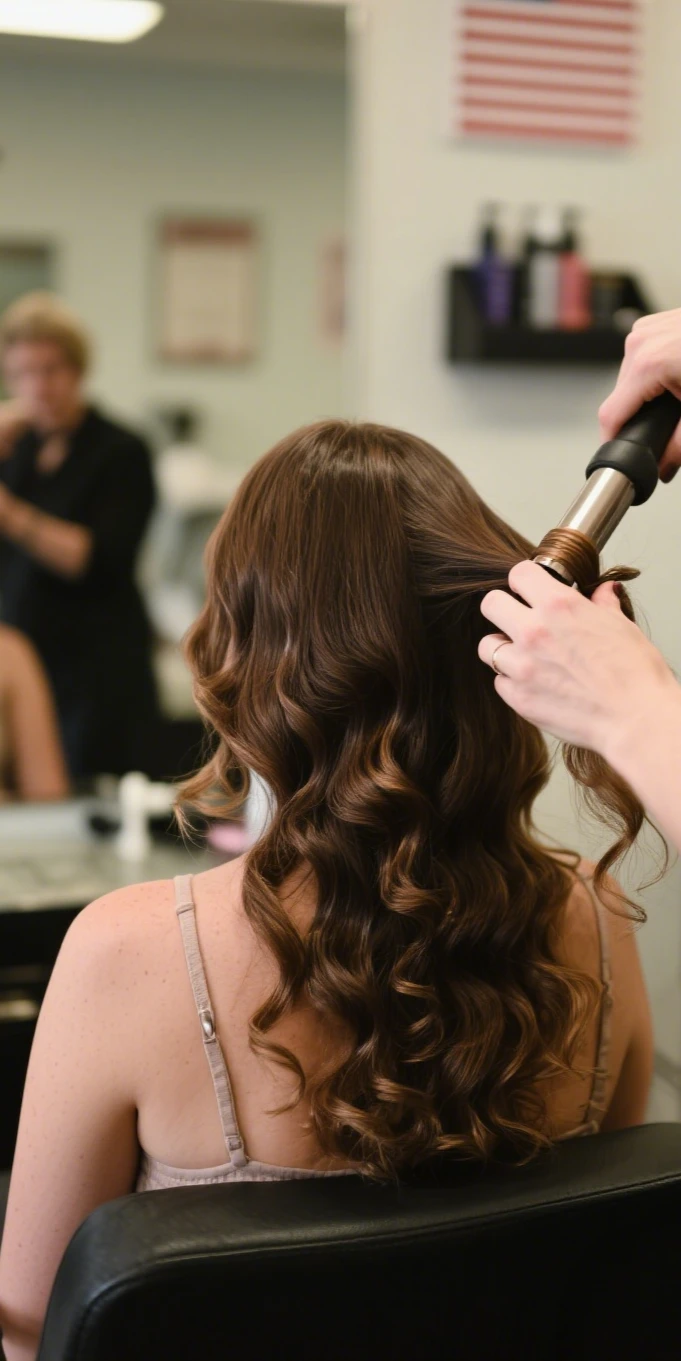
Flat irons, curling wands, and blow dryers at high temperatures can cause dryness, frizz, and even breakage.
What to do instead:
Always use a heat protectant spray and keep tools at the lowest effective temperature. Try to limit heat styling to a few times a week.
3. Sleeping with Wet Extensions

Going to bed with wet extensions can cause serious tangling and even mold growth if they are not fully dry. Wet hair is especially fragile, and tossing and turning can lead to knots and damage.
What to do instead:
Make sure your extensions are completely dry before sleeping. For extra protection, loosely braid your hair or use a silk pillowcase to minimize friction.
4. How often should I wash my hair extensions?
Washing extensions too frequently strips away natural oils and shortens their lifespan. On the other hand, washing too infrequently can cause product buildup and a dull appearance.
What to do instead:
- Your washing schedule should be based on how oily your scalp gets, not the ends of your hair. Extensions don’t produce oil, so they often need less frequent washing than you think.
- A good rule of thumb is to wash every 15-20 wears for clip-ins, or every 1-2 weeks for permanent extensions. If your scalp feels oily but the extensions are dry, focus shampoo on your roots and condition only from the mid-lengths down.
- Always use sulfate-free shampoo to gently cleanse without causing dryness that would ruin the blend.
5. Improper Storage
Tossing your extensions on a counter or leaving them tangled in a drawer can cause unnecessary severe tangling or clumping and shedding.
6. Incorrect Brushing and Detangling Habits
Extensions require extra care. Using the wrong brush or skipping regular detangling can lead to knots, shedding, and breakage.
What to do instead:
Use a wide-tooth comb or a brush designed for extensions. Start from the ends and work your way up, brushing gently every day.
7. Improper Installation and Removal
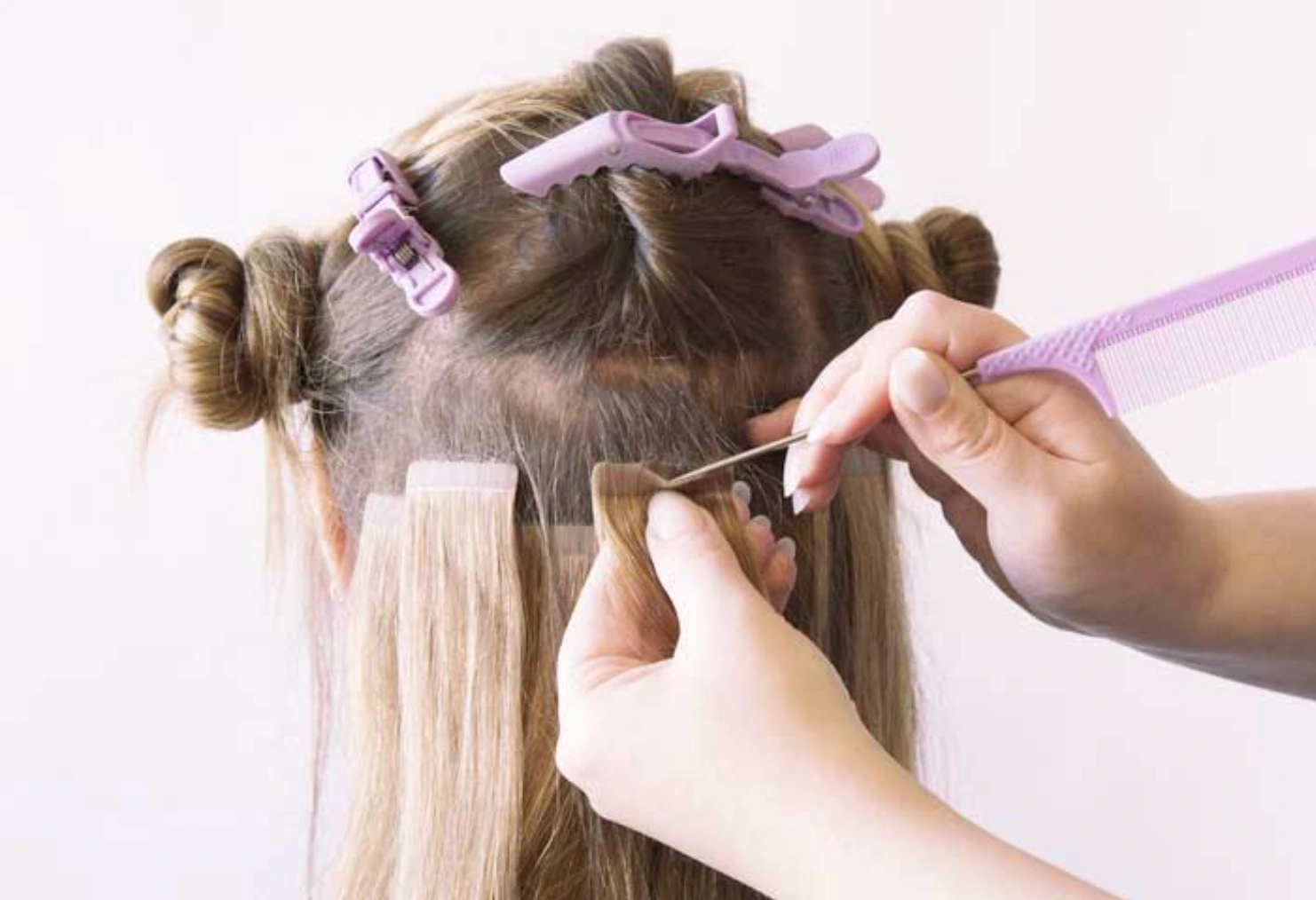
For semi-permanent methods like tape-ins or keratin bonds, poor installation can damage your natural hair. Similarly, pulling or rushing during removal can cause breakage.
What to do instead:
Have extensions applied and removed by a trained professional whenever possible. If you’re removing clip-ins at home, be gentle and take your time.
8. Choosing the Wrong Products
avoid mistakes with hair extensions
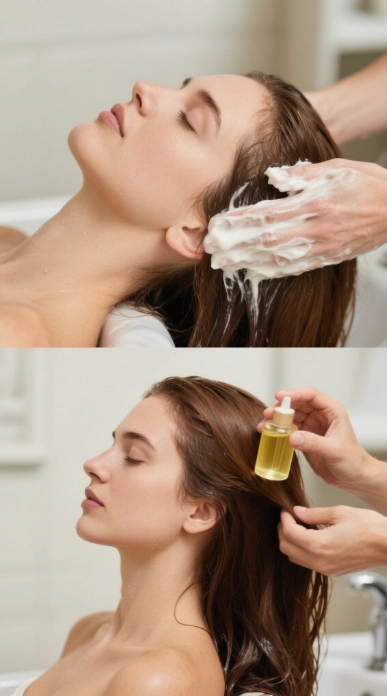
The mistake: Using heavy, oily, or alcohol-based products that weigh down extensions or dry them out.
Better approach: Stick to lightweight, extension-friendly products. A detangling spray or leave-in conditioner is perfect for keeping extensions soft and smooth without residue. Avoid anything with sulfates, parabens, or drying alcohols.
The Golden Rule on how to avoid mistakes with hair extensions
When in Doubt, Ask a Pro! Your hairstylist is your best ally in your extension journey. From color matching to installation and maintenance advice, don’t hesitate to ask for their expert help.
By avoiding these common pitfalls, you’ll ensure your hair extensions look incredibly natural, feel amazing, and provide you with beautiful, confident hair for many months to come.
Ready to find your perfect match?
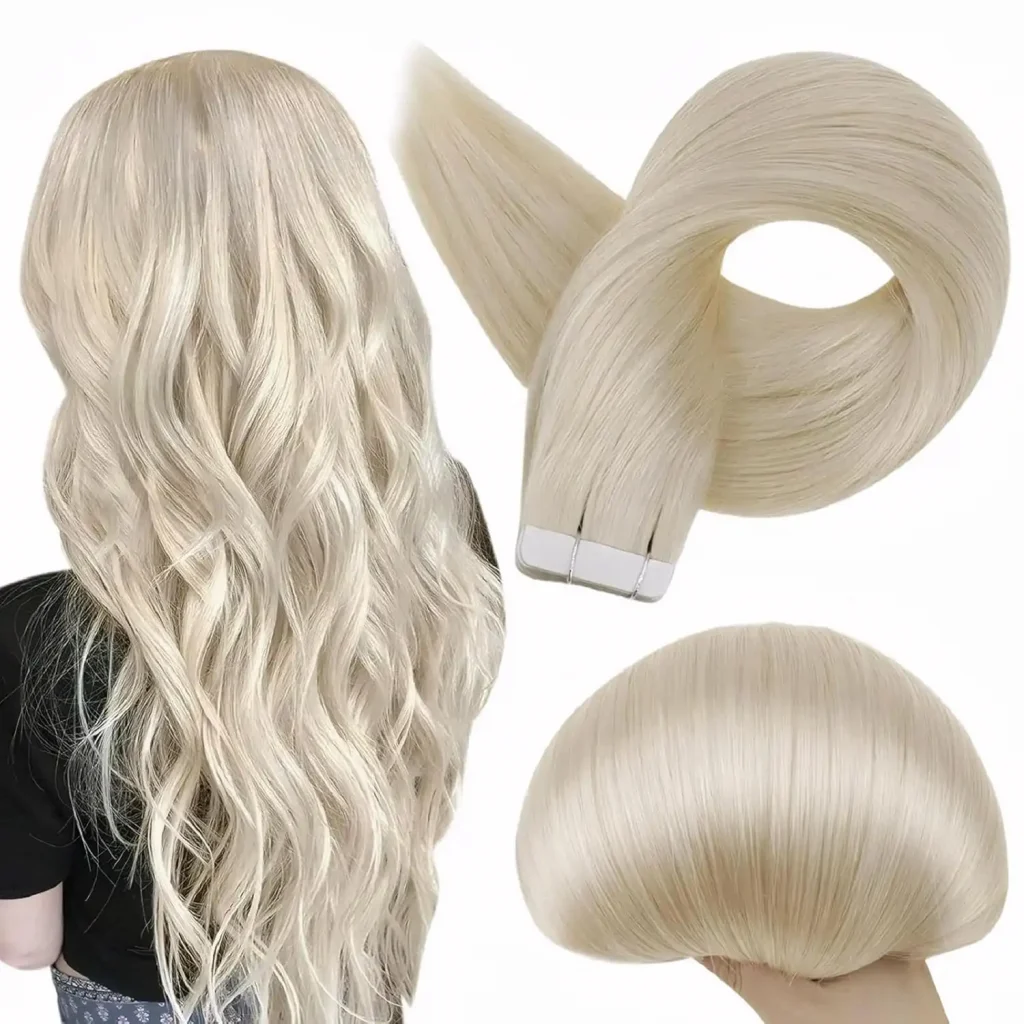
Tape in Hair Extensions
Injection Virgin Tape Ins
Replacement Tapes
Got questions on how to avoid mistakes with hair extensions?
Related articles

Technical Standards & Industry References:
- Milady Standard Cosmetology: Standardized protocols for preventing mechanical and chemical damage in hair enhancements.
- Professional Beauty Association (PBA): Best practices for salon-grade hair extension maintenance.
- Journal of Cosmetic Science: Research on the tensile strength of human hair and the impact of adhesive chemical interference.
- Modern Salon Media: “Troubleshooting 101: Why Hair Extension Bonds Fail in the First 72 Hours.”


